Last updated
Learning prop trading takes 3-6 months of dedicated study and practice — but industry estimates suggest that most profitable prop traders follow the same systematic approach to master the fundamentals. You're not starting from scratch here. You're building skills that can generate consistent monthly income within your first year.
Prop trading means trading with a firm's capital instead of your own money. You keep a percentage of the profits (typically 70-90%) while the firm provides the funding and absorbs the losses. This model gives you access to accounts ranging from $5,000 to $200,000+ without risking your personal savings.
The catch? You need to prove your skills first through an evaluation period.
Most firms require you to hit profit targets while staying within specific risk limits. FundedX offers challenges starting at just $69 for a $5K account, with profit targets of 8% in phase one. Once you pass, you get funded within 24 hours and can withdraw profits every 14 days.
Sign up and choose your ideal pro sign up to FundedX now p account.
Your trading education needs structure. Random YouTube videos and Discord tips won't cut it when you're managing real capital. You need a systematic approach that covers risk management, technical analysis, and trading psychology.
Start with these core areas:
Risk management comes first. Learn position sizing, stop losses, and drawdown limits before you touch any charts. The most profitable traders focus on protecting capital, not chasing big wins. Set a maximum risk per trade (typically 1-2% of account value) and stick to it religiously.
Technical analysis follows. Master one or two trading strategies completely rather than jumping between dozens. Price action, support and resistance, and trend following work best for beginners. Avoid complex indicators until you understand basic chart reading.
Trading psychology matters more than most traders realize. You'll face losing streaks, emotional trades, and the temptation to revenge trade. Develop a pre-market routine, keep a trading journal, and learn to walk away when emotions run high.
Based on typical industry patterns, approximately 75% of new prop traders fail due to poor risk management, not lack of market knowledge.
Free resources can get you started, but structured paid courses accelerate your progress. City Traders Imperium's beginner guide covers evaluation requirements and basic strategies.
For comprehensive education, check out these proven resources:
| Resource Type | Best For | Time Investment |
|---|---|---|
| Trading Books | Fundamental concepts | 2-3 hours/week |
| Online Courses | Structured learning | 1-2 hours/day |
| Demo Trading | Practical application | Daily practice |
| Trading Simulators | Strategy testing | Weekend backtesting |
Chart analysis forms the backbone of successful prop trading. You need to read price action like a language — understanding what each candle, pattern, and level tells you about market sentiment.
Focus on these chart reading skills first:
Support and resistance levels show where buyers and sellers typically enter the market. These levels act like invisible walls that price respects repeatedly. Mark major levels on higher timeframes (4-hour, daily) and use them to plan your entries and exits on lower timeframes.
Trend identification keeps you trading with the market flow instead of against it. Use moving averages or simple trendlines to determine direction. Trade pullbacks in uptrends and breakouts in downtrends. Fighting the trend is the fastest way to blow an account.
Candlestick patterns reveal short-term sentiment shifts. Learn to spot doji, hammers, and engulfing patterns at key levels. These patterns work best when they align with support/resistance and trend direction.
Pick one strategy and make it profitable before learning others. Jumping between strategies kills consistency and confidence. Popular beginner strategies include trend following, range trading, and breakout trading.
Test your strategy on historical data first. Most platforms offer backtesting tools that show how your strategy performed over different market conditions. Look for consistent profitability across at least 100 trades before moving to live testing.
Demo trade your strategy for at least 30 days. Track every trade, including entry reasons, exit points, and emotional state. This data helps you refine your approach and build confidence before risking real money in evaluations.
Your trading platform directly impacts your execution speed, analysis capabilities, and overall trading experience. Most prop firms offer MetaTrader 4/5, TradeLocker, or proprietary platforms. Choose based on your strategy requirements and comfort level.
MetaTrader 5 offers the most comprehensive package for beginners. It includes advanced charting tools, automated trading capabilities, and extensive educational resources. The platform supports forex, stocks, indices, and commodities — covering all markets available through most Prop Firms.
TradeLocker provides a modern web-based alternative with cloud synchronization across devices. This platform excels for traders who want access from multiple locations without software downloads. The interface feels more intuitive for traders coming from other industries.
FundedX supports MetaTrader, TradeLocker, and Sea Trader platforms, giving you flexibility to choose based on your preferences. All platforms connect to the same liquidity providers, ensuring consistent pricing and execution.
Professional trading demands reliable technology. Your hardware setup doesn't need to be expensive, but it must be dependable. Here's what actually matters:
A stable internet connection is non-negotiable. Trade from a location with consistent broadband (25+ Mbps). Have a backup connection ready — mobile hotspot or secondary ISP. Connection drops during high-volatility news events can cost you hundreds in missed opportunities or poor fills.
Multiple monitors improve efficiency but aren't essential starting out. One 24-inch monitor handles charts, trade management, and order entry effectively. Add a second monitor later when your trading frequency increases.
Processing power matters less than reliability. A mid-range laptop from the last 3 years handles most trading platforms without issues. Prioritize SSD storage for faster platform startup and data access during trading sessions.
Risk management determines your survival in prop trading. Technical analysis helps you find trades, but risk management keeps you profitable long-term. This skill separates consistent winners from account blowers.
Position sizing forms your first line of defense. Never risk more than 1-2% of your account on a single trade, regardless of how "sure" you feel. This rule lets you survive 20+ consecutive losses while maintaining enough capital to recover when your edge returns.
Stop losses must be planned before you enter any trade. Place stops based on technical levels, not round numbers or percentage amounts. If your technical stop requires risking more than 2%, skip the trade entirely. No setup is worth breaking your risk rules.
Daily and weekly loss limits prevent catastrophic drawdowns during rough patches. Set a maximum daily loss (typically 1-2% of account) and stop trading when you hit it. Weekly limits work the same way — they give you time to analyze what went wrong without compounding losses.
Your mindset affects every trading decision. Fear makes you exit winners too early. Greed makes you hold losers too long. Overconfidence leads to oversized positions after winning streaks.
Develop a pre-market routine that puts you in the right mental state. review your trading plan, check major news events, and identify key levels for the day. This routine creates consistency and reduces emotional decision-making during live trading.
Keep detailed records of every trade. Note your emotional state, market conditions, and reasoning for each entry and exit. Weekly reviews of this data reveal patterns in your behavior that impact profitability.
Learn to walk away when emotions run high. After a big loss or unexpected win, your judgment becomes clouded. Take a break, analyze what happened, and return when you can think clearly. This discipline prevents small problems from becoming account-ending disasters.
Not all prop firms operate the same way. Fee structures, profit splits, platform options, and payout reliability vary significantly between companies. Your choice impacts both your learning experience and long-term earning potential.
Research the firm's reputation first. Check withdrawal complaints, platform stability, and customer service responsiveness. Reddit discussions from active traders provide unfiltered feedback about different firms' practices.
Compare evaluation requirements across firms. Some require 10% profits in 30 days while others allow unlimited time with lower targets. FundedX offers unlimited duration challenges with 8% phase one targets — more realistic than firms demanding quick profits under time pressure.
profit splits range from 70% to 90% for new traders. Higher splits sound attractive but check the fine print. Some firms with 90% splits have hidden fees or strict payout restrictions that reduce your actual take-home amount.
| Evaluation Factor | FundedX | Industry Standard |
|---|---|---|
| Time Limit | Unlimited | 30-60 days |
| Profit Split | 90% | 70-80% |
| Withdrawal Frequency | Every 14 days | Monthly |
| Platform Options | MT5, TradeLocker, Sea Trader | Usually MT4 only |
Approach evaluations like a job interview — preparation determines your success rate. Practice your strategy on the exact platform and market conditions you'll face during the challenge.
Most evaluation failures happen due to overtrading or taking excessive risk to hit targets quickly. Consistency beats speed every time. Plan for gradual profit accumulation rather than big winners that expose you to large drawdowns.
Trade smaller position sizes during evaluations than you would with your own money. The goal is passing the challenge, not maximizing profits. You can increase size after you get funded and build confidence with the firm's capital.
Structured learning accelerates your progress from beginner to funded trader. Random study sessions and scattered practice won't build the skills needed to pass evaluations and maintain consistent profitability.
Dedicate 2-3 hours daily to trading education and practice. Split this time between theoretical learning (30 minutes), chart analysis (60 minutes), and demo trading (60-90 minutes). This balance develops both knowledge and practical application.
Week 1-2: Focus on basic concepts like support/resistance, trend identification, and position sizing. Read trading books, watch educational videos, and practice identifying patterns on historical charts.
Week 3-6: Develop and test your first strategy. Pick one approach (trend following or range trading) and demo trade it consistently. Track every trade and analyze your results weekly.
Week 7-10: Refine your strategy based on demo results. Work on trade management, profit taking, and loss cutting. Build consistency in your execution and decision-making process.
Week 11-12: Final preparation for your first evaluation. Practice on the exact platform and account size you'll use. Focus on hitting small, consistent profits rather than big wins.
Measure your progress with specific metrics rather than subjective feelings. Track your win rate, average risk/reward ratio, and maximum drawdown on demo accounts. These numbers reveal whether you're ready for live evaluations.
Set weekly goals that build toward your funded account objective. Examples include completing 10 demo trades with proper risk management, identifying 20 support/resistance levels correctly, or reading one trading psychology chapter.
Document your learning journey in a trading journal. Note which concepts click easily and which areas need more work. This self-awareness helps you allocate study time efficiently and identify knowledge gaps before they cost money.
The best prop trading education platforms provide structured curricula that remove guesswork from your learning path. These programs include progress tracking, mentorship, and community support to accelerate your development.
Once you pass your first evaluation and start trading funded capital, new challenges emerge. Managing larger accounts, handling drawdowns, and scaling to multiple accounts require advanced skills beyond basic chart reading.
Trade management becomes critical with real money. You'll need systems for partial profit taking, trailing stops, and position scaling. These skills determine whether you consistently compound profits or give back gains during inevitable market reversals.
Multi-timeframe analysis helps you align short-term entries with longer-term trends. Use daily charts for bias, 4-hour charts for entries, and 15-minute charts for precise timing. This approach improves your win rate and reduces whipsaws.
Advanced risk management includes correlation analysis when trading multiple pairs simultaneously. Avoid taking 5 EUR/USD long trades disguised as different currency pairs. Diversify across truly independent markets or asset classes.
Successful prop traders often manage multiple funded accounts across different firms. This approach increases earning potential while reducing dependence on any single company's policies or payout reliability.
Start with one account and prove consistency before adding others. Most firms allow traders to purchase additional challenges after demonstrating profitable trading. Scale gradually to avoid overwhelming yourself with too many positions.
Consider teaching or signal services as supplementary income once you achieve consistent profitability. Many funded traders earn additional income through education, mentorship, or copy trading services.
Understanding current regulatory requirements helps you choose firms that will survive industry changes and protect your earning potential long-term.
Most traders need 3-6 months of dedicated study and practice before attempting their first funded challenge. This includes learning technical analysis, developing a strategy, and building risk management skills through demo trading.
No, evaluation fees typically range from $69-$299 depending on account size. You're not risking your own capital for trading — just the evaluation fee. This makes prop trading accessible compared to trading your own funds.
Prop trading uses the firm's capital while you keep 70-90% of profits. Regular trading risks your personal savings but you keep 100% of gains. Prop trading offers higher earning potential with limited downside risk.
Many firms allow Expert Advisors (EAs) and automated strategies, but policies vary. FundedX permits EAs on their 1-Phase and 2-Phase challenges. Always check a firm's rules before using automation.
You lose your evaluation fee but can retake the challenge. Most traders fail their first attempt due to overtrading or poor risk management. Learn from mistakes and adjust your approach before trying again.
Earnings vary based on account size and performance. A consistent trader managing a $100K account with 10% monthly returns keeps $9,000 (90% split). Top performers scale to multiple accounts for higher income potential.
Learning prop trading requires commitment, but the path is straightforward when you follow a proven system. Start with education, practice on demo accounts, and gradually work toward your first funded challenge. Most traders who follow this approach consistently reach profitability within their first year.
Begin with risk management fundamentals — this skill alone separates winners from losers in funded trading. Master position sizing and stop loss placement before worrying about complex strategies or market analysis.
Choose your first prop firm carefully. Look for unlimited time challenges, reasonable profit targets, and reliable payouts. Your early experiences shape your confidence and learning trajectory for years to come.
Take action today rather than waiting for perfect knowledge. The skills you need come from practice and experience, not endless study. Start your demo trading journey while continuing your education — you'll progress faster through active learning than passive consumption.
Sign up and choose your ideal pro sign up to FundedX now p account.
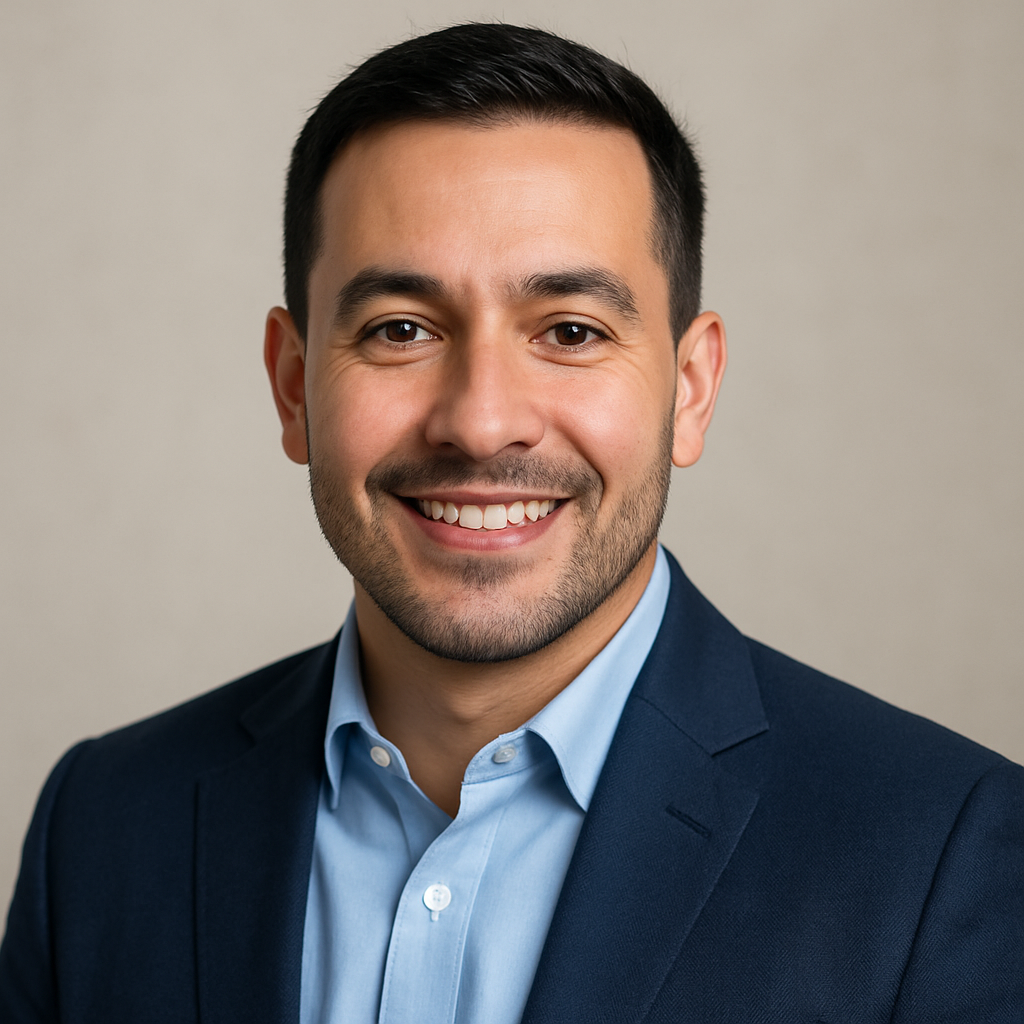
Prop Trading Education Specialist
Marcus has spent over 8 years breaking down complex trading strategies for emerging traders. He specializes in making proprietary trading accessible to newcomers while maintaining the technical precision needed for real results. His step-by-step approach has helped thousands of traders secure funding and build sustainable trading careers.

