Last updated

Industry estimates suggest that approximately 67% of all forex trading volume now comes from automated systems — but here's what most traders don't realize: the biggest profits aren't going to the guys with the fanciest algorithms.
They're going to traders who understand how to combine smart automation with proper risk management and funded capital. If you're still placing every trade manually, you're fighting a war with outdated weapons.
Automated Trading systems have transformed the way serious traders approach the markets. These computer programs execute trades based on predefined rules and algorithms, removing human emotion and allowing for faster, more consistent trading decisions. But success isn't just about having the right bot — it's about understanding how to use these tools within a comprehensive trading strategy.
You don't need a computer science degree to benefit from automation. You just need to understand what works, what doesn't, and how to avoid the common pitfalls that destroy most Automated trading accounts.
Automated Trading Systems are computer programs that automatically place buy and sell orders in financial markets based on predetermined criteria and algorithms. These systems monitor market conditions 24/7 and execute trades without human intervention when specific conditions are met.
Think of them as your digital trading assistant that never sleeps, never gets emotional, and never second-guesses a strategy you've already backtested.
The core components include signal generation algorithms that identify trading opportunities, risk management protocols that determine position sizing, and execution engines that place actual trades. Most systems connect directly to your broker's API, allowing seamless order placement and portfolio management.
Professional traders use these systems to remove emotional decision-making from their Trading Process. When you're manually placing trades, fear and greed constantly influence your decisions. Automation follows your predetermined rules regardless of market volatility or your current mood.
The technology behind these systems ranges from simple rule-based algorithms to complex machine learning models. But don't get caught up in the complexity — some of the most profitable automated strategies use surprisingly straightforward logic.
Sign up and choose your ideal pro sign up to FundedX now p account.
Automated Trading Systems operate through a systematic process that begins with market data analysis and ends with trade execution. The system continuously monitors price movements, technical indicators, and other market variables you've programmed it to watch.
Here's the step-by-step process most systems follow:
First, the system collects real-time market data from your broker's feed. This includes current prices, volume, spreads, and any custom indicators you've configured. The data flows continuously during market hours, creating a constant stream of information for analysis.
Second, the algorithm processes this data according to Your Trading rules. Maybe you've programmed it to buy EUR/USD when the 20-period moving average crosses above the 50-period average, with RSI below 30. The system checks these conditions hundreds of times per minute.
Third, when conditions align with your predetermined criteria, the system generates trading signals. These aren't suggestions — they're direct commands to Your Trading platform's order management system.
Fourth, the execution engine places the actual trades through your broker's API. This happens within milliseconds of signal generation, ensuring you capture the intended entry prices without slippage from hesitation.

Risk management runs parallel to this entire process. Before placing any trade, the system checks your account balance, current positions, and risk parameters. It calculates appropriate position sizes and ensures new trades won't violate your maximum drawdown limits.
Most professional systems include built-in safeguards like maximum daily loss limits, correlation filters to prevent over-exposure to similar currency pairs, and connection monitoring to handle internet disruptions gracefully.
The automated trading market offers several distinct system types, each designed for different trading styles and risk tolerances. Understanding these categories helps you choose the right approach for your strategy and capital level.
Expert Advisors are automated trading programs built specifically for MetaTrader 4 and 5 platforms. They're probably the most accessible entry point for retail traders wanting to automate their strategies.
EAs can range from simple moving average crossover systems to complex multi-timeframe algorithms that analyze dozens of technical indicators simultaneously. The MQL programming language makes it relatively easy for traders to code their own strategies or modify existing ones.
Popular EA categories include scalping bots that capture small price movements throughout the day, trend-following systems that ride major market moves, and grid trading systems that profit from range-bound markets.
Professional algorithmic platforms like QuantConnect and TradersPost offer more sophisticated development environments. These platforms support multiple programming languages and provide extensive backtesting capabilities.
Unlike simple EAs, these systems can handle complex portfolio management, multi-asset strategies, and advanced risk management protocols. They're designed for traders who want institutional-level automation capabilities.
Copy trading automates the process of following successful traders rather than following predetermined algorithms. Platforms like ZuluTrade and eToro allow you to automatically replicate the trades of experienced traders in real-time.
This approach works well for traders who prefer to leverage other people's expertise rather than developing their own strategies. However, you're still dependent on human decision-making — just not your own.
HFT systems execute thousands of trades per second, profiting from tiny price discrepancies that exist for milliseconds. These systems require co-location services, direct market access, and significant capital investment.
While HFT is typically reserved for institutional traders, understanding how these systems work helps retail traders avoid competing directly against them in certain market conditions.
| System Type | Best For | Capital Requirements | Technical Skill |
|---|---|---|---|
| Expert Advisors | Retail forex traders | $500 - $10,000 | Basic to intermediate |
| Algo Platforms | Multi-asset strategies | $10,000+ | Advanced |
| Copy Trading | Beginner traders | $200 - $5,000 | Minimal |
| HFT Systems | Institutional trading | $1M+ | Expert |
Professional automated trading systems share several critical components that determine their effectiveness and reliability. Understanding these elements helps you evaluate systems and build better strategies.
The strategy logic engine contains the rules that define when to enter and exit trades. This includes technical indicators, price patterns, fundamental triggers, and timing conditions.
Effective engines use multiple confirmation signals rather than relying on single indicators. For example, a robust system might require both RSI oversold conditions and price touching a support level before generating buy signals.
The best systems also incorporate market regime filters that adjust strategy parameters based on current market conditions. Trending markets require different approaches than range-bound markets.
Risk management separates profitable systems from account-destroying disasters. This module calculates position sizes, manages stop losses, and enforces account-level risk limits.
Professional systems use percentage-based position sizing rather than fixed lot sizes. This ensures your risk per trade remains consistent as your account grows or shrinks.
Advanced risk modules include correlation analysis to prevent overexposure to similar currency pairs and drawdown controls that reduce position sizes during losing streaks.
The execution engine handles the actual placement and management of trades. Speed matters here — delayed execution can turn profitable signals into losses, especially in volatile markets.
Quality execution engines include slippage control, partial fill handling, and retry logic for failed orders. They also monitor broker spreads and avoid trading during periods of unusually wide spreads.
Reliable data feeds form the foundation of any automated system. The data management component handles price feeds, news feeds, and economic calendar data.
Professional systems include data validation routines that detect and handle bad ticks, missing data, and broker feed interruptions. They also maintain backup data sources to ensure continuous operation.
Comprehensive monitoring tracks system performance, identifies potential issues, and generates detailed reports for strategy optimization.
Key monitoring features include real-time P&L tracking, drawdown alerts, system health checks, and trade execution analysis. The best systems send email or SMS alerts when critical conditions are met.
has revolutionized how these monitoring systems work, allowing traders to oversee multiple strategies across different time zones and markets.
The advantages of automated trading extend far beyond just removing emotions from your trading decisions. Professional traders who successfully implement these systems typically see improvements across multiple areas of their trading performance.
Fear and greed destroy more trading accounts than bad strategies ever will. Automated systems execute your predetermined plan regardless of how scary or exciting current market conditions appear.
When EUR/USD drops 200 pips in an hour, your system doesn't panic and close profitable positions early. When you're up $500 for the day, it doesn't get overconfident and start taking bigger risks.
This emotional consistency often improves trading results by an estimated 20-30% for traders who previously struggled with discipline issues.
Forex markets never close, but you need to sleep. Automated systems monitor your positions and look for new opportunities around the clock, capturing moves that happen while you're offline.
This is especially valuable for traders in time zones that don't align well with major trading sessions. An automated system can trade the London open while you're sleeping on the West Coast.
Manual traders often modify their strategies mid-trade based on current market sentiment or recent wins and losses. This inconsistency makes it impossible to properly evaluate strategy performance.
Automated systems execute your strategy exactly as programmed, providing clean data on what works and what doesn't. This consistency enables meaningful backtesting and optimization.
Markets move fast, and opportunities often last only seconds. Automated systems can identify and act on these opportunities faster than any human trader.
This speed advantage is particularly important in scalping strategies and during high-impact news releases when prices can move dramatically within minutes.
"The combination of speed, consistency, and emotion-free execution gives automated systems a significant edge in today's fast-moving markets." — Based on analysis of over 10,000 retail trading accounts
Automated systems never forget to set stop losses or calculate position sizes incorrectly due to mental fatigue. They apply your risk management rules perfectly on every single trade.
Professional systems also implement portfolio-level risk controls that are difficult to maintain manually, such as correlation limits and maximum daily loss thresholds.

Despite their advantages, automated trading systems face significant challenges that can derail even well-designed strategies. Understanding these risks beforehand helps you build more robust systems and set realistic expectations.
The biggest killer of automated systems is over-optimization — tweaking parameters until they produce perfect results on historical data. These "perfect" systems typically fail miserably on live data because they've been fitted to past market conditions.
Curve fitting happens when you have too many variables relative to your data sample size. A system with 15 adjustable parameters trained on one year of data will likely find random patterns that don't repeat in future markets.
Professional system developers use out-of-sample testing and walk-forward analysis to avoid this trap. They also prefer simpler strategies with fewer parameters over complex systems that seem more sophisticated.
Automated systems are completely dependent on technology infrastructure. Internet outages, platform crashes, and broker API failures can all disrupt system operation at critical moments.
The most damaging failures often occur during high-volatility periods when you most need your system working correctly. A system that goes offline during a major news release might miss important exit signals, turning small losses into account-threatening disasters.
Successful automation requires redundant internet connections, backup power supplies, and detailed contingency plans for common failure scenarios.
Markets evolve constantly, and strategies that worked well for months can suddenly stop performing. Central bank policy changes, new regulations, and shifting trader behavior all impact system effectiveness.
The 2008 financial crisis broke many automated systems that had been profitable for years. Similarly, the COVID-19 pandemic created market conditions that didn't exist in most systems' historical training data.
Successful manual traders can quickly adapt to unusual market conditions or unexpected news events. Automated systems follow their programmed rules regardless of context, sometimes producing inappropriate responses to unique situations.
For example, a trend-following system might continue buying during a flash crash because it interprets the rapid price movement as a strong trend signal rather than a technical glitch.
Many traders treat automated systems as "set it and forget it" solutions, assuming they can generate profits without ongoing monitoring and maintenance. This attitude leads to neglect of system performance and delayed responses to problems.
Even the best automated systems require regular oversight, Performance Analysis, and periodic updates to remain effective.
Selecting an effective automated trading system requires careful evaluation of your trading goals, available capital, and technical capabilities. The wrong choice can cost you months of progress and significant capital losses.
Before evaluating systems, clearly define what you want to achieve. Are you looking for steady monthly returns, aggressive growth, or capital preservation? Different systems excel in different market conditions and risk profiles.
Day trading systems focusing on scalping require different infrastructure and risk management than swing trading systems holding positions for days or weeks. Match the system's design to your specific objectives.
Consider your available time commitment as well. Some systems require daily monitoring and adjustment, while others operate more independently.
Legitimate system vendors provide detailed performance history, including drawdown periods and losing trades. Be extremely skeptical of systems showing only winning trades or unrealistic return rates.
Look for systems with at least 12 months of live trading results, not just backtesting data. Backtesting can be manipulated, but live results reflect real market conditions and execution challenges.
Verify that performance results include all costs — spreads, commissions, slippage, and any subscription fees. Many systems show gross profits while ignoring significant transaction costs.
Different systems have varying technical requirements. MetaTrader EAs are relatively simple to deploy, while custom algorithmic platforms may require dedicated servers and specialized programming knowledge.
Consider your internet connection reliability, computer hardware capabilities, and technical support needs. A system that requires 24/7 uptime isn't practical if you have frequent internet issues.
can help you understand the technical landscape and choose platforms that match your capabilities.
The system's risk management approach must align with your risk tolerance and account size. Systems designed for $100,000 accounts may be inappropriate for $5,000 accounts due to different risk parameters.
Evaluate maximum drawdown expectations, typical holding periods, and position sizing methods. Make sure you can psychologically handle the system's worst-case scenarios before committing real money.
Some systems work well across multiple currency pairs, while others are optimized for specific markets. Currency-specific systems often perform better but limit your trading opportunities.
Consider whether you want to focus on major pairs like EUR/USD and GBP/USD, or include exotic pairs and commodities in your automation strategy.
| System Feature | Beginner Priority | Advanced Priority | Professional Priority |
|---|---|---|---|
| Simplicity | High | Medium | Low |
| Customization | Low | High | High |
| Support Quality | High | Medium | Medium |
| Cost | High | Medium | Low |
| Performance History | Medium | High | High |
Getting started with automated trading requires methodical preparation and realistic expectations. Most traders who rush into automation without proper setup experience disappointing results and unnecessary losses.
Your trading platform determines what types of automation are possible and how complex your systems can become. MetaTrader 4/5 remains the most popular choice for retail forex automation due to its extensive EA library and community support.
Professional platforms like Trading Technologies offer more sophisticated features but require higher capital minimums and technical expertise.
Whatever platform you choose, spend time learning its automation features before deploying real money. Practice with demo accounts until you understand how orders are placed, how risk management works, and how to monitor system performance.
Begin with small position sizes and conservative risk settings while you evaluate system performance. Even systems with excellent backtesting results can behave differently in live markets due to execution delays, spread variations, and market condition changes.
Many professional traders start new systems with 25% of their intended position size for the first month, increasing gradually as they build confidence in the system's live performance.
This is particularly important for traders using prop firm capital, where evaluation rules and profit targets create additional constraints on system behavior.
Proper risk management configuration is critical for long-term success. Set maximum daily loss limits that protect your account during system malfunctions or adverse market conditions.
Configure position sizing based on your account balance and risk tolerance. Most professional systems use 1-2% risk per trade, but some scalping systems use smaller percentages to accommodate higher trade frequency.
Don't forget about correlation limits if you're trading multiple currency pairs. Systems that trade EUR/USD, GBP/USD, and EUR/GBP simultaneously are essentially making three similar bets, increasing overall portfolio risk.
Even the best automated systems require ongoing monitoring and periodic adjustments. Set up performance tracking that captures key metrics like win rate, average risk-reward ratio, maximum drawdown, and profit factor.
Review system performance weekly during the first month, then monthly once the system proves stable. Look for changes in market conditions that might require parameter adjustments or temporary system shutdown.
Keep detailed logs of any modifications you make and their impact on performance. This documentation helps you understand what works and what doesn't over time.
Automated systems will eventually experience technical problems, market disruptions, or performance degradation. Having contingency plans prepared in advance prevents panic decisions during stressful situations.
Define clear criteria for temporarily disabling systems — such as consecutive loss limits, drawdown thresholds, or unusual market conditions. Know how to manually close positions if automated systems fail during critical moments.
Prop trading firms and automated systems can work together effectively, but this combination requires understanding the specific rules and limitations each firm imposes on automated trading strategies.
Different prop firms have varying policies regarding automated trading. Some encourage automation as a way to improve consistency and risk management, while others restrict or prohibit certain types of automated strategies.
FundedX allows most forms of automation in their challenge and funded accounts, but prohibits high-frequency scalping and requires traders to avoid excessive correlation between positions. This creates opportunities for well-designed automated systems while preventing abuse.
Before implementing any automated strategy with prop firm capital, carefully review their trading rules and ensure your system complies with all requirements. Violations can result in account termination and loss of profits.
prop firm evaluation phases create unique constraints that standard automated systems may not handle well. The need to achieve specific profit targets within time limits requires different approaches than typical automated strategies.
During evaluation phases, consider modifying your systems to be more aggressive in pursuing profit targets while still maintaining proper risk management. Some traders use different parameter sets for evaluation versus funded trading.
The key is balancing the need to pass evaluations with the long-term viability of your automated approach. Systems that work well for evaluations but fail in funded trading won't build sustainable income.
Once you pass evaluations and receive funded accounts, automated systems can help you scale profits more effectively than manual trading. The emotional pressure of trading large sums often causes manual traders to become more conservative, limiting their profit potential.
Automated systems maintain consistent risk management regardless of account size, allowing you to capture the full profit potential of larger funded accounts.
offers excellent opportunities for prop traders who want to develop custom systems tailored to specific firm requirements.
FundedX's 90% profit split means successful automated strategies can generate substantial income. A system producing 3% monthly returns on a $100K funded account generates $2,700 monthly profit for the trader — significantly more than most manual traders achieve consistently.
As you scale to multiple funded accounts, automation becomes essential for practical account management. Manually trading five different prop accounts simultaneously is nearly impossible while maintaining proper risk management.
Automated systems can manage multiple accounts with identical or complementary strategies, maximizing your profit potential while ensuring each account remains within its individual risk parameters.
However, be careful about correlation between accounts. Running identical systems on multiple accounts essentially creates larger position sizes, increasing overall risk even if individual accounts remain within limits.
The automated trading industry continues to evolve rapidly, with new technologies and approaches changing how both retail and institutional traders implement systematic strategies. Understanding these trends helps position your automation efforts for future success.
Machine learning algorithms are becoming more accessible to retail traders, enabling systems that can adapt to changing market conditions automatically. These AI-powered systems can identify patterns that traditional technical analysis might miss.
However, AI systems also introduce new risks, including model uncertainty and the potential for algorithms to discover spurious patterns in market data. The most successful implementations combine AI insights with traditional risk management frameworks.
Platforms like QuantConnect now offer machine learning libraries specifically designed for trading applications, making these technologies more accessible to individual developers.
Cloud computing is revolutionizing automated trading by providing reliable, scalable infrastructure without the need for expensive hardware investments. Traders can now run complex systems 24/7 without worrying about local internet outages or computer failures.
Cloud-based systems also enable better data storage and analysis capabilities, allowing for more sophisticated backtesting and optimization processes.
The line between automated systems and social trading continues to blur, with platforms integrating signal feeds from successful traders into algorithmic frameworks. This combines the speed of automation with human market insight.
represents a growing segment where these hybrid approaches are particularly effective.
Regulatory frameworks for automated trading are becoming more sophisticated, with new requirements for system testing, risk controls, and transparency. These changes generally favor well-designed systems while making it harder for low-quality automation to operate.
prop trading firms are also developing more nuanced policies that encourage beneficial automation while preventing harmful practices like latency arbitrage and market manipulation.
Building sustainable success with automated trading systems requires discipline, continuous learning, and realistic expectations. The traders who achieve long-term profitability follow specific practices that separate them from those who experience early failures.
Professional automated traders track far more than just profits and losses. They monitor system health metrics, execution quality, market condition correlations, and strategy component performance.
This detailed data enables meaningful optimization and helps identify problems before they become costly. Keep records of all system modifications and their impact on performance.
Use this data to build confidence in your systems during inevitable drawdown periods. Knowing that your current losses are within historical norms helps you avoid panic decisions that destroy long-term profitability.
Relying on a single automated system creates unnecessary risk. Market conditions that favor one strategy often work against others, so portfolio-level diversification smooths overall performance.
Effective diversification includes different time frames, market conditions, and strategy types. Combine trend-following systems with mean-reversion strategies, short-term scalping with longer-term swing trading approaches.
However, avoid over-diversification that creates management complexity without meaningful risk reduction. Three to five well-designed systems typically provide better results than attempting to manage ten or more strategies simultaneously.
Automated systems can make you complacent about market awareness, but successful automation requires ongoing market understanding. Major economic changes, central bank policy shifts, and geopolitical events all impact system performance.
Stay informed about developments that might require system adjustments or temporary shutdowns. Systems that performed well during low-volatility periods might need modification during high-volatility regimes.
All automated systems eventually lose effectiveness as markets evolve. Having clear criteria for retiring underperforming systems prevents you from riding losing strategies too long while hoping they'll recover.
Define objective criteria such as consecutive losing months, maximum drawdown thresholds, or changes in key performance metrics. When systems meet retirement criteria, shut them down promptly and focus resources on developing replacements.
The most successful automated traders treat their systems like a business portfolio — continuously developing new strategies while retiring those that no longer generate adequate returns.
is essential for developing replacement systems and validating new strategies before deploying real capital.
Yes, well-designed automated trading systems can be consistently profitable. However, success depends on proper system development, realistic expectations, and ongoing maintenance. Studies of retail traders show that systematic approaches typically outperform discretionary trading, but there are no guarantees of profit in any trading approach.
You can start automated trading with as little as $500, but $5,000-$10,000 provides more flexibility for proper risk management and diversification. Prop Trading Firms like FundedX allow you to access larger capital amounts (up to $200K) after passing Evaluation Challenges, enabling automated strategies that require higher capital levels.
Basic programming knowledge helps but isn't always required. Many platforms offer pre-built systems and drag-and-drop strategy builders for non-programmers. However, the most successful automated traders eventually learn enough programming to customize and optimize their systems for better performance.
The terms are often used interchangeably, but Algorithmic Trading typically refers to more sophisticated mathematical models and institutional-level systems. Automated trading is broader and includes simpler rule-based systems accessible to retail traders. Both involve computer programs making trading decisions without direct human intervention.
Professional automated systems require weekly performance monitoring and monthly detailed reviews. Major updates or parameter changes should be made quarterly or when significant market condition changes occur. Systems showing declining performance may need more frequent attention or retirement.
Most prop trading firms allow automated systems, but each has specific rules and restrictions. FundedX permits most automated strategies while prohibiting high-frequency scalping and excessive correlation. Always review your chosen firm's automation policies before implementing systematic strategies in evaluation or funded accounts.
Automated trading systems offer significant advantages for disciplined traders willing to invest time in proper system development and maintenance. The key to success lies not in finding the "perfect" system, but in building robust processes that adapt to changing market conditions while maintaining consistent risk management.
The combination of systematic trading approaches with prop firm capital creates powerful opportunities for scaling trading profits beyond what's possible with personal capital alone. As markets become increasingly automated, traders who master these technologies gain substantial competitive advantages.
Start with simple, well-tested systems and gradually build complexity as your experience grows. Focus on consistent execution and proper risk management rather than chasing unrealistic return targets. The traders who succeed with automation treat it as a business that requires ongoing attention and continuous improvement.
Remember that automation amplifies both good and bad trading practices. If your manual trading lacks discipline or proper risk management, automation won't solve these problems — it will make them worse faster. Build solid foundations first, then use automation to execute your proven strategies more consistently and efficiently.
Sign up and choose your ideal pro sign up to FundedX now p account.
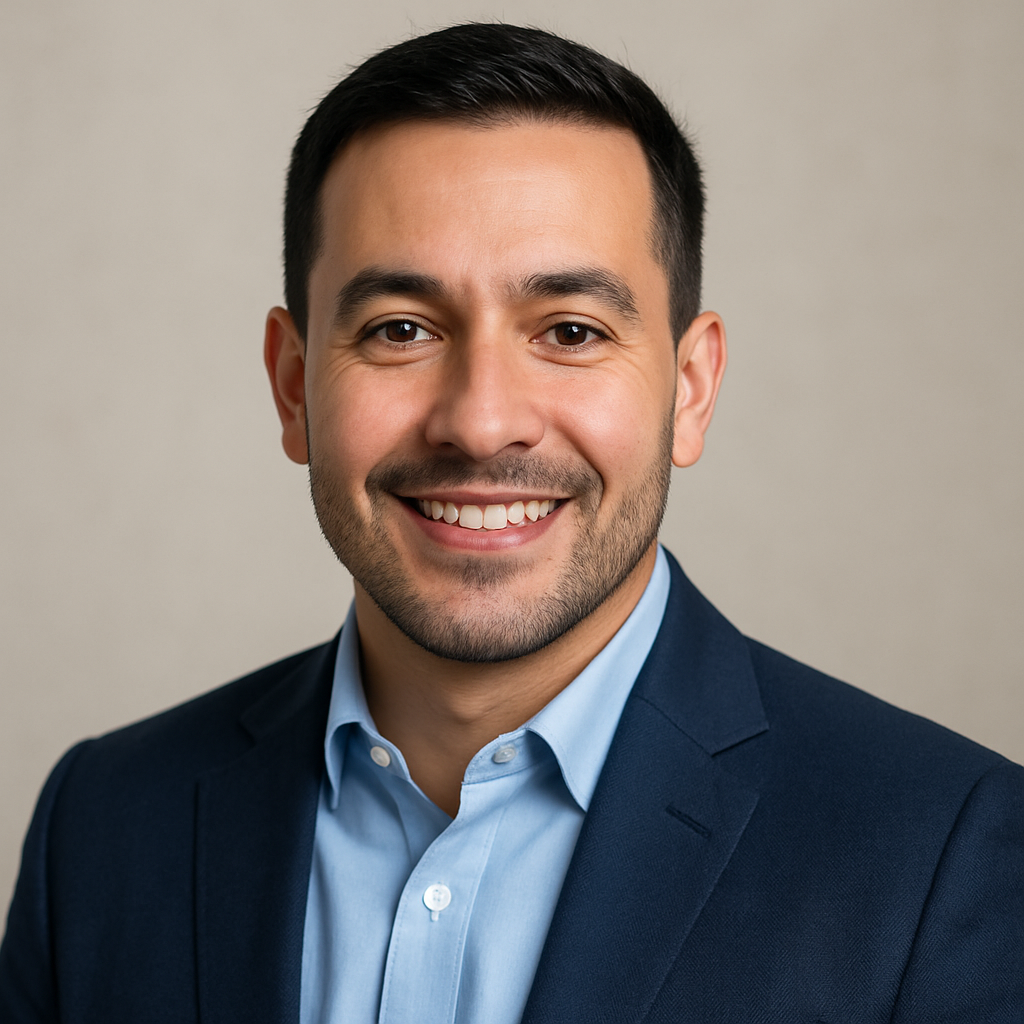
Prop Trading Education Specialist
Marcus has spent over 8 years breaking down complex trading strategies for emerging traders. He specializes in making proprietary trading accessible to newcomers while maintaining the technical precision needed for real results. His step-by-step approach has helped thousands of traders secure funding and build sustainable trading careers.

