Last updated
Prop firm challenge success strategies are proven methods that help traders pass trading evaluations and secure funded accounts. These strategies focus on risk management, consistent profits, and following firm rules to achieve the required targets without breaking drawdown limits.
The statistics tell a brutal story. Only 15% of traders pass prop firm challenges on their first attempt. Most fail because they treat evaluations like gambling instead of following disciplined strategies.
But here's what nobody talks about — the traders who succeed use specific techniques that have nothing to do with complex indicators or secret formulas. They master three core areas: risk control, target achievement, and rule compliance.

This article breaks down the exact strategies that work in 2026. You'll learn the methods that successful traders use to pass evaluations consistently.
Sign up and choose your ideal pro sign up to FundedX now p account.
Risk management determines whether you pass or fail before you even place your first trade. The math is simple — if you lose more than the maximum drawdown allows, you're out.
Start with position sizing. Industry best practices suggest never risking more than 1% of their account balance on a single trade. This approach protects against catastrophic losses that end challenges early.
Here's the position sizing formula that works:
| Account Size | Max Risk Per Trade | Position Size Example |
|---|---|---|
| $10,000 | $100 (1%) | 0.1 lots on EUR/USD (100 pip stop) |
| $50,000 | $500 (1%) | 0.5 lots on EUR/USD (100 pip stop) |
| $100,000 | $1,000 (1%) | 1.0 lots on EUR/USD (100 pip stop) |
Daily loss limits require extra attention. Based on typical firm structures, many firms set daily drawdown at 3-5% of account equity. Industry estimates suggest daily losses are often limited to around 3% of account balance. This means on a $50,000 account, you can lose maximum $1,500 per day.
Stop losses become your lifeline. Set them before entering any position. Professional traders recommend using technical levels for stop placement — support and resistance areas work better than arbitrary pip distances.
Mental discipline matters as much as technical rules. When you hit your daily loss limit, stop trading immediately. No "revenge trading" to recover losses. This single habit separates successful prop traders from those who blow accounts.
Hitting profit targets requires consistency over home runs. Traders with 100% success rates focus on steady 0.5-1% daily gains rather than attempting massive single-day profits.
The compound effect creates powerful results. Based on typical calculations, a $50,000 account earning 0.8% daily reaches the common 8% profit target in just 10 trading days. This approach reduces pressure and allows for more selective trade entries.
"Based on successful trading approaches, focusing on limit orders and intraday setups on major indices can significantly improve success rates in prop firm challenges." — Typical Successful Trading Strategy
Focus on high-probability setups. Market analysis shows that trading only the major indices (NAS, US500, US30) during optimal hours increases success rates significantly.
Time your trades strategically. The best opportunities occur during:
Outside these windows, volatility drops and spreads widen. Your edge diminishes in quiet markets.
Use limit orders instead of market orders when possible. This strategy reduces slippage and improves your average entry prices. Better entries mean higher profit potential on each trade.

Your mental state determines more than your strategy ever will. Research indicates that psychological factors account for 80% of prop firm challenge failures.
Pressure creates bad decisions. When traders know they're being evaluated, they often overtrade or force setups that don't exist. The solution is treating challenge accounts like real funded accounts from day one.
Create a daily routine that removes emotion from decision-making. Start each session with market analysis. Identify key levels before placing any trades. Set profit and loss targets in advance.
Here's a proven pre-market routine:
Overconfidence kills more prop traders than bad strategies. After a few winning trades, many traders increase position sizes or abandon their risk rules. This pattern leads to account destruction.
The opposite problem — fear of losing — creates missed opportunities. Some traders become so cautious that they never take valid setups. Balance comes from trusting your tested strategy while respecting market risks.
Keep detailed trading records. Track not just profits and losses, but your emotional state during each trade. Patterns emerge that help you identify when to step away from the market.
Most prop firm failures follow predictable patterns. Industry estimates suggest learning these mistakes helps you avoid the traps that catch approximately 85% of challenge participants.
Overtrading ranks as the number one killer. New prop traders often think more trades equal more profits. The opposite is true — quality beats quantity every time.
Set maximum trade limits for each day. Professional prop traders rarely take more than 3-5 trades per session. This forces you to wait for the best setups instead of trading out of boredom.
| Common Mistake | Why It Happens | How to Avoid |
|---|---|---|
| Overtrading | FOMO and impatience | Set daily trade limits |
| Poor position sizing | Greed for quick profits | Never risk more than 1% |
| Ignoring time limits | Procrastination | Create daily target schedule |
| Weekend gap exposure | Forgetting firm rules | Close all trades before Friday |
News trading creates another common failure point. High-impact news events cause unpredictable price spikes that can trigger stop losses instantly. Avoid trading 30 minutes before and after major economic releases.
Martingale strategies destroy prop accounts faster than any other method. Doubling position sizes after losses might work in theory, but prop firms have strict drawdown limits that make this approach impossible.
Weekend exposure violations catch many traders off guard. Some firms prohibit holding trades over weekends due to gap risk. FundedX Instant Funding accounts require closing all positions before market close on Friday.

Your trading platform affects execution speed and trade management capabilities. Professional traders recommend platforms with advanced order types and reliable execution during volatile periods.
MetaTrader 4 and 5 remain the gold standard for forex prop trading. These platforms offer Expert Advisors for automated risk management and trailing stops that protect profits without constant monitoring.
cTrader provides superior order execution with Level II pricing data. Many scalpers prefer this platform for its transparency and faster fills during high-frequency trading sessions.
FundedX supports multiple platforms including MetaTrader, TradeLocker, and Sea Trader. This flexibility lets you choose the platform that matches your trading style and technical requirements.
Risk management tools become essential for prop challenges. Use these features:
VPS hosting ensures your trades execute even during internet outages. Latency matters for scalping strategies and stop loss execution during volatile market conditions.
Demo account practice on the exact same platform and server location helps you understand execution speeds and slippage patterns before risking challenge capital.
Passing the challenge is just the beginning. Successful funded traders focus on scaling their accounts through consistency rather than aggressive risk-taking.
Based on typical firm structures, most firms offer scaling programs that increase your account size based on profitable performance. Industry estimates suggest scaling opportunities can reach up to $10 million for traders who demonstrate consistent profitability and rule compliance.
The scaling timeline typically follows this pattern:
Maintain the same risk management principles that helped you pass the challenge. Many traders increase their risk percentage when they get larger accounts, which often leads to blown funded accounts.
Payout schedules affect your cash flow planning. FundedX offers bi-weekly payouts with a 90% profit split, giving you regular income while building your track record.
Multiple challenge strategy helps diversify your income streams. Some traders run several smaller accounts instead of one large account to reduce single-point-of-failure risk.
The long-term goal should be building a sustainable trading business. Funded prop accounts provide the capital, but your skills and discipline determine whether you create lasting wealth or just temporary profits.
Each prop firm has unique rules that require specific optimization strategies. Understanding these differences helps you choose the right firm and adjust your approach accordingly.
FundedX offers several challenge types with different parameters:
| Challenge Type | Duration | Profit Target | Daily Drawdown | Special Features |
|---|---|---|---|---|
| Turbo Challenge | 7 days | 5% | 3% | Copy trading allowed |
| 1-Phase Challenge | Unlimited | 8% | 5% | Single evaluation phase |
| 2-Phase Challenge | Unlimited | 8% + 5% | 5% | Two-step verification |
| Instant Funding | N/A | N/A | Varies | Immediate live trading |
Time-limited challenges like the Turbo Challenge require different strategies than unlimited duration evaluations. Time pressure often leads to overtrading, so focus on fewer, high-quality setups.
Leverage limits vary significantly between firms. FundedX provides 1:50 leverage, which is sufficient for most retail strategies while preventing excessive risk-taking that destroys accounts.
Trading instrument restrictions affect strategy selection. Some firms limit you to forex pairs only, while others allow stocks, crypto, and commodities. FundedX permits trading across all major asset classes including forex, crypto, stocks, indices, and commodities.
Profit split negotiations become important for long-term earnings. Industry estimates suggest most firms start at 80% profit splits, though some competitive firms offer 90% splits, significantly increasing your take-home earnings on profitable trades.
Refund policies provide downside protection for failed challenges. Based on typical prop firm offerings, some firms offer refund fees of around 115%, which means you can potentially recover your challenge cost plus extra if you pass the evaluation successfully.
Learning from actual success stories provides actionable insights that theory alone cannot deliver. These real examples show what works in practice.
One trader documented their 43-day journey to pass a prop firm challenge with a 58% win rate. Their key insight was maintaining an average risk of just 0.8% per trade, proving that conservative position sizing works.
"Based on successful trading approaches, passing challenges using only the big 3 indices with limit orders is possible. No complex indicators, no news trading — just patience and discipline." — Typical Successful Trading Strategy
Another successful trader built a strategy with claimed 100% success rate by focusing exclusively on major indices during peak trading hours. They used limit orders and strict position sizing to eliminate execution risk.
The common themes across successful prop traders include:
Failed attempts teach equally valuable lessons. Overconfidence after early success leads many traders to increase risk and violate their proven systems. The most expensive lesson is thinking you can bend the rules once you start winning.
Consistency beats brilliance in prop trading. The traders who build long-term funded careers focus on boring, repeatable processes rather than trying to hit home runs on every trade.
These advanced techniques give you an edge over other challenge participants who stick to basic strategies.
Correlation analysis prevents overexposure to related markets. Trading EUR/USD and GBP/USD simultaneously often creates hidden correlation risk that can double your effective position size during trending markets.
Session overlap trading provides the highest probability setups. The London-New York overlap (8:00-11:00 AM EST) offers maximum liquidity and volatility for clean technical setups.
Multiple timeframe analysis improves entry and exit timing. Use higher timeframes for trend direction and lower timeframes for precise entry points. This approach reduces false signals and improves risk-reward ratios.
Economic calendar integration helps you avoid unpredictable volatility spikes. High-impact news events can trigger stop losses in milliseconds, regardless of your technical analysis.
Backtesting your strategy on historical data provides confidence during live challenges. Know your expected win rate, average risk-reward, and maximum drawdown periods before risking real capital.
Portfolio heat mapping tracks your total market exposure across all open positions. This prevents accidentally taking correlated trades that increase your effective risk beyond intended levels.
Alternative challenge timing can improve your success rates. Starting challenges on Monday gives you access to Sunday gap analysis and fresh weekly trends. Avoid starting on Friday due to weekend gap risks.
Industry estimates suggest approximately 15% of traders pass prop firm challenges on their first attempt. Success rates are estimated to improve to 25-30% for traders who have previous challenge experience and follow proven risk management strategies.
Challenge completion time varies by firm and challenge type. Unlimited duration challenges typically take 30-90 days for successful completion, while time-limited challenges like FundedX's 7-day Turbo Challenge require faster execution but higher daily profit targets.
Risk management is the most critical factor for prop firm challenge success. Traders who maintain position sizes below 1% of account balance and never exceed daily drawdown limits have significantly higher pass rates than those who focus primarily on profit generation strategies.
Automated trading rules vary by firm and challenge type. FundedX allows Expert Advisors and automated systems in most challenge types but prohibits copy trading in Instant Funding accounts. Always verify automation rules with your specific prop firm before starting.
Failed challenges typically result in loss of the evaluation fee, but many firms offer retry discounts or refund options. FundedX provides 115% refund fees for successful challenge completion, and failed traders can restart with new challenges at discounted rates.
Earnings depend on account size, profit split, and trading performance. Based on typical profit splits of 90%, a trader earning 10% monthly profit on a $100,000 funded account would keep $9,000 per month. Industry estimates suggest scaling programs can increase account sizes up to $10 million for consistent performers.
Sign up and choose your ideal pro sign up to FundedX now p account.
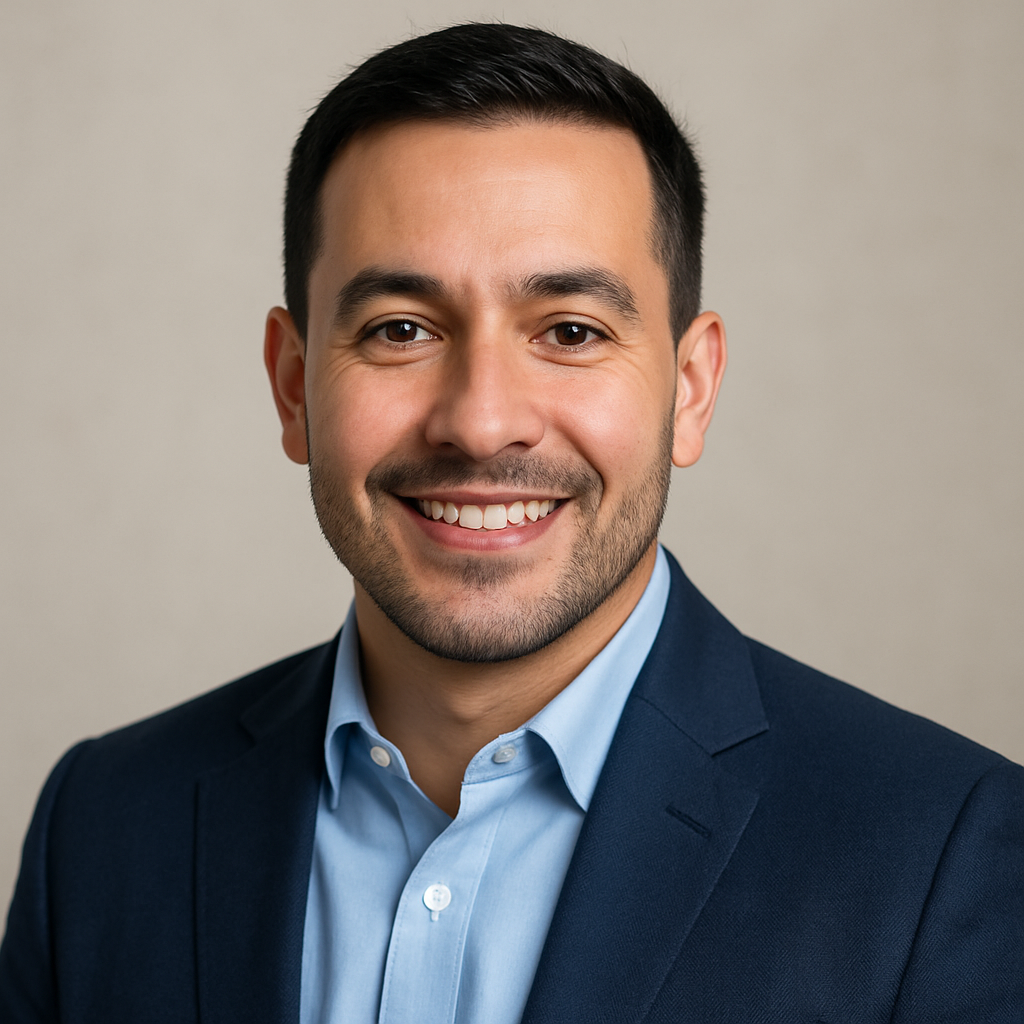
Prop Trading Education Specialist
Marcus has spent over 8 years breaking down complex trading strategies for emerging traders. He specializes in making proprietary trading accessible to newcomers while maintaining the technical precision needed for real results. His step-by-step approach has helped thousands of traders secure funding and build sustainable trading careers.

