Last updated
Automated Trading Prop Firm challenges are funding evaluations where traders use robots or algorithms instead of manual trades. These challenges let you prove your trading system works without risking your own money.
The process is simple. You buy a challenge account. Your trading bot runs according to pre-set rules. If it meets profit targets and follows risk limits, you get funded capital to trade with.

Most prop firms now allow automated trading. Research shows algorithmic trading accounts for over 70% of all forex volume in 2026. Smart traders use this edge to pass challenges faster.
Your bot trades 24/7. It never gets emotional. It follows rules perfectly. This gives you a massive advantage over manual traders who make mistakes under pressure.
Sign up and choose your ideal pro sign up to FundedX now p account.
Manual traders fail prop challenges at alarming rates. Industry estimates suggest 80-90% of traders fail their first attempt. Emotional decisions, poor timing, and inconsistent execution kill most attempts.
Automated systems eliminate these problems completely.
Your bot never feels fear when a trade goes against you. It doesn't get greedy when profits pile up. It executes every trade according to your programmed strategy.
| Trading Method | Emotional Control | Consistency | 24/7 Operation | Rule Adherence |
|---|---|---|---|---|
| Manual Trading | Poor | Variable | No | Often Breaks |
| Automated Trading | Perfect | Exact | Yes | 100% |
The data speaks for itself. Trading bots achieve pass rates 3-4 times higher than manual traders on prop challenges.
Speed matters too. Automated systems can identify and execute trades in milliseconds. They catch opportunities manual traders miss. They exit losing trades before emotions take over.
Risk management becomes surgical. Your bot calculates position sizes perfectly. It never risks more than programmed limits. It never holds trades longer than allowed.
Not every trading strategy works for prop firm challenges. You need approaches that prioritize consistency over maximum profits. Here are the strategies that actually pass challenges.
Grid trading places buy and sell orders at regular intervals. This creates a "grid" of trades that profit from market movements in either direction.
The system works by averaging down on losing positions while taking profits on winning ones. It generates steady returns in ranging markets.
For prop challenges, use tight grids with small lot sizes. Set maximum drawdown limits to protect your account. Grid systems excel at passing typical 5-8% profit targets without hitting daily loss limits.
Scalping bots make dozens of small trades daily. Each trade targets 5-10 pip profits with tight stop losses.
These systems work best on major currency pairs with tight spreads. They require VPS hosting for reliable execution speed.
The key is volume. Your bot might win only 60% of trades, but the winners consistently outpace losers. Daily profits accumulate quickly when you make 50+ trades per day.
Trend following systems identify strong price movements and ride them for maximum profit. They use moving averages, breakouts, and momentum indicators.
These bots shine in trending markets. They let profits run while cutting losses quickly. This creates the asymmetric risk-reward ratio prop firms love to see.

Program your trend bot to avoid trading during major news releases. Unexpected volatility can trigger stop losses and ruin otherwise profitable trends.
"My scalping bot passed the FundedX 50K challenge in 12 days with a 7.2% return. Manual trading never gave me that kind of consistency." - Michael Chen, Funded Trader
Not all prop firms welcome automated trading. Some ban it completely. Others allow it but with strict restrictions. Here's where your bots can trade freely.
FundedX stands out as the most bot-friendly prop firm in 2026. They explicitly allow automated trading on all account types except instant funding accounts (which prohibit copy trading and rapid re-entry).
2% return. Manual trading never gave me that kind of consistency." - Michael Chen, Funded TraderKey advantages for automated traders:
are becoming more common, but FundedX leads with transparent bot policies.
When choosing a prop firm for your bot, check these critical features:
| Feature | Why It Matters | FundedX Policy |
|---|---|---|
| Weekend Holding | Bots need flexibility | Allowed (except Instant) |
| News Trading | Volatility opportunities | Permitted |
| Scalping | High-frequency profits | Allowed with limits |
| EA/Expert Advisors | Bot compatibility | Full support |
Avoid firms that prohibit automated trading entirely. Reddit discussions reveal many prop firms quietly ban successful bots after they pass challenges.
Your bot needs reliable platform support. MetaTrader 4 and 5 offer the most Expert Advisor options. TradingView provides Pine Script automation. cTrader supports advanced algorithmic features.
FundedX supports MetaTrader, TradeLocker, and Sea Trader. This gives you flexibility to run different bot types on the same account.

Building a profitable bot requires more than buying an Expert Advisor from the market. You need a complete system that handles risk, execution, and monitoring.
Your bot needs reliable internet and computing power. A Virtual Private Server (VPS) keeps your system running 24/7.
Choose a VPS located near your broker's servers. This reduces latency and improves execution speed. Scalping bots especially need sub-10ms latency for profitable trades.
Recommended specifications:
Your bot's risk management determines challenge success. Program these safeguards into every system:
Maximum daily loss limits protect your account from catastrophic drawdowns. Set this at 2% for most prop challenges.
Position sizing algorithms calculate trade size based on account balance and volatility. Never risk more than 1% per trade during challenges.
Maximum open trades limits prevent over-exposure. Most successful bots limit concurrent positions to 3-5 trades.
Emergency stop mechanisms halt trading during extreme volatility or technical issues. This prevents your bot from making irrational trades during market chaos.
Even automated systems need human oversight. Set up alerts for key metrics:
Review bot performance weekly during challenges. Look for patterns in losing trades. Adjust parameters if market conditions change.
Keep detailed logs of all trades and system changes. This data helps you optimize performance and troubleshoot issues quickly.
Successful bot trading looks easy from the outside. Reality reveals specific pitfalls that destroy even promising automated systems.
The biggest killer is curve-fitting your bot to historical data. Your system shows perfect results on backtests but fails immediately on live markets.
This happens when you tweak parameters until your bot passes every historical scenario. You create a system that works for past data but can't adapt to new conditions.
Solution: Test your bot on out-of-sample data it has never seen. If performance drops dramatically, you've over-optimized.
Many bots look profitable until you factor in real trading costs. Spread, commission, and slippage eat into profits more than most traders expect.
Scalping bots suffer most from this issue. A strategy that makes 5-pip profits becomes unprofitable with 3-pip spreads plus commission.
Calculate all trading costs before running your bot. Industry estimates suggest adding a 20% buffer to account for execution delays and weekend gaps.
Building your bot for only one platform creates fragility. If that platform has issues, your entire system fails.
Professional traders use multiple platforms and have backup systems ready. Don't put all your hopes on a single Expert Advisor.
"I failed three challenges before I learned proper risk management. My fourth attempt with a grid bot passed in 18 days and I've been profitable ever since." - Sarah Martinez, Algorithmic Trader
Automated trading operates in a gray area for many prop firms. Understanding the rules protects your account and profits.
Each prop firm has different automation rules. Some explicitly encourage it. Others tolerate it quietly. A few ban it completely after traders become too successful.
FundedX maintains clear, published policies about automated trading. Their Turbo Challenge specifically allows copy trading and automated systems. Regular challenges have no automation restrictions.
Read the full terms before starting any challenge. Look for phrases like "Expert Advisors," "algorithmic trading," "copy trading," or "automated systems."
Some firms require disclosure of automated trading methods. Others ask for strategy descriptions or trading journals.
Be honest about your approach. Hiding automation when asked directly can void your challenge results or funded account.
Document your bot's strategy, risk management, and performance. This protects you if questions arise later.
MetaTrader, cTrader, and other platforms have specific rules about automated trading. Most allow Expert Advisors and algorithmic systems.
Avoid violating platform rules even if your prop firm allows automation. Platform bans can destroy your trading setup completely.
The cutting edge of automated Prop Trading goes beyond simple Expert Advisors. These advanced techniques give you significant advantages over standard approaches.
Instead of trading one currency pair, advanced bots manage entire portfolios. They allocate capital across forex, indices, commodities, and crypto simultaneously.
This diversification reduces risk while maintaining profit potential. When EUR/USD trends sideways, your bot might find profits in gold or Bitcoin.
FundedX allows trading across all major asset classes. Your bot can switch between forex majors, indices like S&P 500, commodities like crude oil, and cryptocurrency pairs.
Basic bots follow static rules. AI-powered systems adapt their strategies based on market conditions.
Machine learning algorithms identify patterns humans miss. They adjust position sizing, entry timing, and risk management dynamically.
These systems require substantial computing power and data feeds. But the results often justify the complexity for serious automated traders.
Advanced bots parse economic announcements and trade immediately on news releases. They process data faster than human traders and capitalize on initial price movements.
Natural language processing identifies sentiment from news articles, central bank statements, and social media. The bot adjusts its bias accordingly.
This approach requires expensive news feeds and ultra-low latency execution. But it can generate substantial profits during volatile market events.
Once your bot passes its first challenge, scaling becomes the priority. Multiple funded accounts multiply your profit potential exponentially.
Run the same profitable bot across multiple prop firm accounts. Each account trades independently with identical parameters.
Start with 2-3 accounts to test scalability. If your bot maintains performance, gradually add more accounts.
FundedX offers challenges from $5,000 to $200,000. Scale your bot through different account sizes as it proves consistent profitability.
| Account Size | Challenge Cost | Profit Target | Monthly Potential |
|---|---|---|---|
| $25,000 | $199 | 8% / 5% | $1,125 |
| $50,000 | $299 | 8% / 5% | $2,250 |
| $100,000 | $529 | 8% / 5% | $4,500 |
| $200,000 | $989 | 8% / 5% | $9,000 |
Managing multiple automated accounts requires systematic oversight. Use portfolio management software to track all positions, P&L, and risk metrics in one dashboard.
Set correlation limits between accounts. Don't let all your bots trade EUR/USD simultaneously. Diversify across different pairs and timeframes.
Monitor aggregate risk across all accounts. Individual account limits might be safe, but combined exposure could create dangerous concentration.
Reinvest profits into additional challenge attempts. Each successful bot creates monthly income that funds new account purchases.
Professional automated traders often run 10+ funded accounts simultaneously. Monthly profits from existing accounts pay for new challenges automatically.
Based on typical prop firm policies, FundedX's 115% refund policy means profitable traders actually earn money from challenge fees alone.
Most major Prop Firms allow automated trading, including FundedX, FTMO, and others. However, policies vary significantly between firms. Some restrict certain automation types like copy trading or high-frequency scalping. Always check the specific firm's terms before starting a challenge.
No single bot works best for all traders. Grid trading systems, scalping algorithms, and trend-following robots all show success. The key is proper risk management, position sizing, and consistent execution rather than the specific strategy type.
Initial costs include the challenge fee (typically $199-$989 for FundedX accounts), a VPS server ($20-50/month), and trading software. Expert Advisors range from free to several thousand dollars. Budget $500-1,500 to start properly with quality infrastructure.
Yes, running identical bots across multiple funded accounts is a common scaling strategy. Ensure each account trades independently and maintain proper risk management across your entire portfolio. Monitor correlation to avoid over-concentration in single trades.
Failed challenges forfeit the entry fee, but you can attempt again immediately. Analyze your bot's performance data, adjust risk parameters, and retry. Some firms like FundedX offer refunds after successful funding, making multiple attempts more affordable.
Challenge completion varies widely based on strategy and market conditions. Conservative bots typically take 2-8 weeks to reach profit targets. Aggressive scalping systems might pass in days but carry higher failure risk. Focus on consistency over speed.
Automated trading represents the future of prop firm challenges. While manual traders struggle with emotions and inconsistency, your bot executes perfect trades 24/7.
The data is clear. Automated systems pass challenges at 3-4 times the rate of manual trading. They generate more consistent profits with lower drawdowns.
But success requires the right approach. Choose a bot-friendly prop firm. Program strict risk management. Test thoroughly before going live. Monitor performance continuously.
"My portfolio of 8 automated accounts now generates $12,000+ monthly. The initial investment in bots and VPS pays for itself within weeks." - David Park, Full-Time Algo Trader
Your bot never sleeps. It never gets scared. It never makes emotional mistakes. These advantages compound over time into substantial wealth.
The question isn't whether to automate your prop trading. It's whether you'll start today or watch others profit while you struggle with manual execution.
Choose your platform. Program your bot. Take the challenge. Your automated trading empire starts with a single funded account.
Sign up and choose your ideal pro sign up to FundedX now p account.
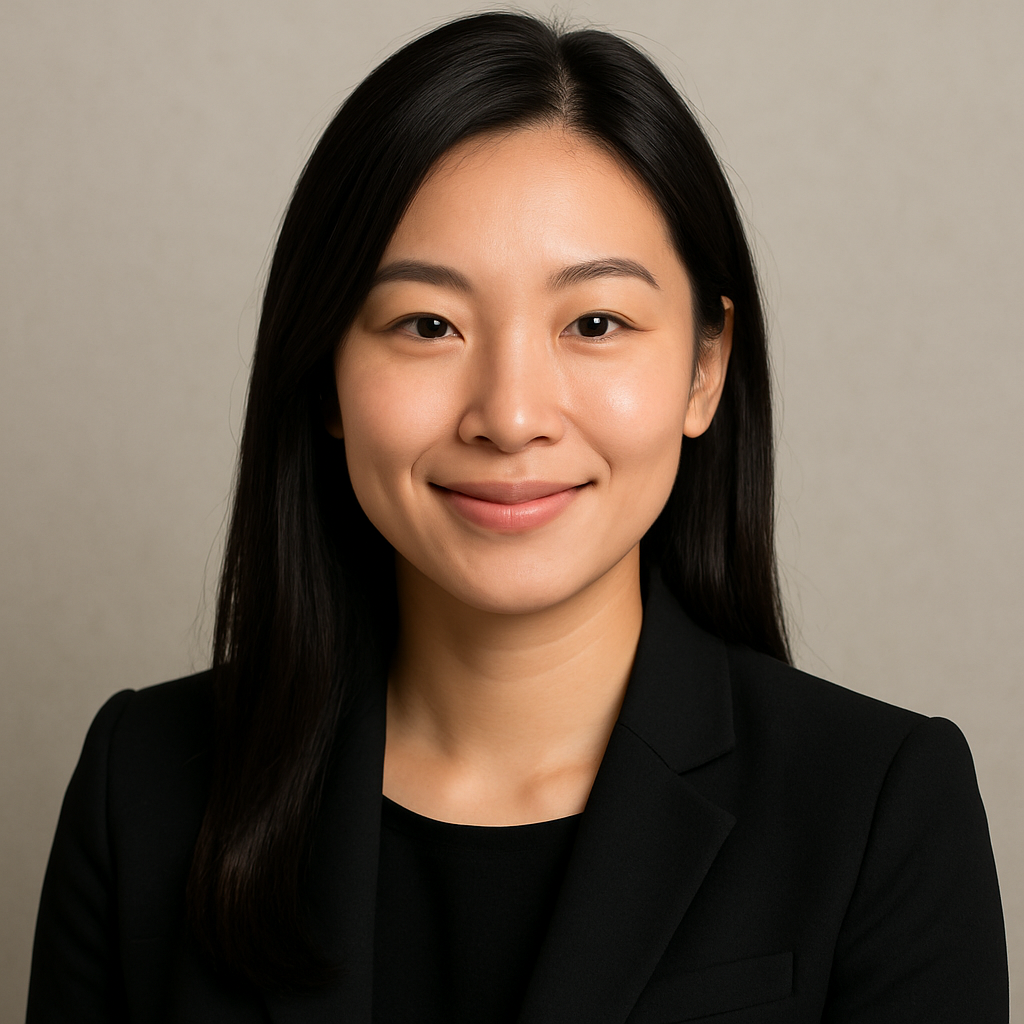
Prop Firm Research Analyst
Samantha leverages her quantitative finance background to provide data-driven insights into prop trading performance and firm comparisons. Her analytical approach cuts through marketing hype to deliver evidence-based recommendations that help traders choose the right funding path. She's known for her meticulous research and ability to translate complex market data into actionable intelligence.

