Last updated
Most reputable prop firms in 2026 allow algorithmic trading. Top options include FundedNext, DNA Funded, TTT Markets, and several others that welcome EAs, bots, and automated systems.
The world of prop trading has changed fast. Gone are the days when you had to sit at your desk all day watching charts. Now you can let smart algorithms do the heavy lifting.
But here's the catch — not every prop firm plays nice with bots. Some ban them completely. Others say they allow them but make it nearly impossible to actually use them.
Finding the right firm takes work. You need one that truly supports Automated Trading. You need clear rules. And you need platforms that work well with your code.

Sign up and choose your ideal pro sign up to FundedX now p account.
Algorithmic trading gives you a massive edge. While manual traders sleep, your bots keep working. They scan thousands of price movements every second.
Speed matters in trading. Markets move fast. By the time you see an opportunity and click buy, it might be gone. Algorithms react in milliseconds.
Emotions kill profits. Fear makes you exit good trades too early. Greed makes you hold losers too long. Bots don't have these problems. They follow rules exactly.
You can test strategies before risking real money. Backtest your algorithm on years of historical data. See how it would have performed. Fix problems before going live.
Consistency beats occasional big wins. Algorithms can make small, steady profits day after day. These add up to serious money over time.
Several prop firms have built their entire business around supporting Algorithmic Traders. These firms understand that the future belongs to automated systems.
DNA Funded stands out for TradeLocker support. Their platform works smoothly with most trading bots. They offer challenges from $5,000 to $200,000.
Their rules are clear. No hidden restrictions on algorithmic trading. You can use EAs without worrying about surprise account closures.
TTT Markets calls itself the gold standard for algo trading. They provide dedicated support for automated strategies. Their tech team actually helps you optimize your bots.
They offer both MT4 and MT5 platforms. Most popular EAs work right out of the box.
FundedNext has become popular with algorithmic traders for good reason. They allow all types of Automated Trading. Their servers are fast and reliable.
They also offer good profit splits. You keep up to 90% of what you make.
Topstep focuses on futures trading. They welcome algorithmic strategies on their platform. Many successful algo traders got their start here.
Their Trading Combine lets you prove your algorithm works before getting funded.
| Prop Firm | Platforms | Max Account Size | Algo Friendly |
|---|---|---|---|
| DNA Funded | TradeLocker, MT4 | $200,000 | Yes |
| TTT Markets | MT4, MT5 | $100,000 | Yes |
| FundedNext | MT4, MT5, cTrader | $400,000 | Yes |
| Topstep | NinjaTrader, R|Trader | $250,000 | Yes |
Your trading platform makes or breaks your algorithmic strategy. Not all platforms handle automated trading well.
MetaTrader 4 and 5 remain the most popular choices. They have huge libraries of existing EAs. The MQL programming language is well-documented.
TradeLocker is gaining ground fast. It offers better API access than MT platforms. Many new prop firms choose TradeLocker specifically for algo traders.
cTrader provides excellent backtesting tools. Its C# programming environment appeals to developers. The platform handles high-frequency strategies well.
NinjaTrader dominates futures algorithmic trading. Its strategy analyzer is powerful. The platform connects well with data feeds.
API access separates serious algo-friendly firms from pretenders. Good APIs let you connect your custom software directly to the broker.
REST APIs work well for lower-frequency strategies. They're easier to set up. Most programming languages support REST calls.
WebSocket APIs handle high-frequency trading better. They provide real-time data streams. Your algorithm gets market updates instantly.
FIX protocol offers the fastest execution speeds. It's more complex to implement. Professional trading firms use FIX for institutional-grade speed.
Many prop firms partner with third-party API providers. They might use TradingView's API or MetaApi for connections.
Industry estimates suggest that algorithmic trading now accounts for over 80% of all forex transactions, making API access crucial for competitive execution.

Every prop firm has rules about algorithmic trading. Breaking these rules gets your account closed fast. Understanding them protects your investment.
Most firms ban tick scalping. This means holding positions for just seconds or milliseconds. They consider it unfair advantage over manual traders.
Copy trading restrictions are common. You can't just copy signals from someone else's account. Your algorithm must make independent decisions.
Position sizing limits apply to algorithms too. You might face maximum position sizes or correlation limits between trades.
News trading restrictions often exist. Some firms ban trading during major economic announcements. Your algorithm needs to account for these blackout periods.
Weekend holding policies vary widely. Some firms require closing all positions before market close on Friday. Others allow holding over weekends.
FundedX stands out for its algorithmic trading support. The firm allows EAs on their 1-Phase and 2-Phase challenges. No hidden restrictions or surprise bans.
Their platform selection includes MetaTrader, TradeLocker, and Sea Trader. This gives you flexibility to choose the best platform for your algorithm.
The profit sharing scales from 80/20 up to 100% for successful traders. Your algorithm's consistent performance gets rewarded with higher profit splits.
FundedX offers unlimited trading days on challenges. Your algorithm doesn't need to hit targets within tight timeframes. This reduces pressure and allows for more conservative strategies.
Account sizes range from $5,000 to $200,000. You can start small and scale up as your algorithm proves successful.

Algorithm trading isn't a magic money machine. Real challenges exist that can derail even good strategies.
Latency kills high-frequency strategies. Every millisecond of delay costs money. Your VPS location matters. Choose servers close to your broker's data centers.
Market conditions change constantly. An algorithm that worked in trending markets might fail during sideways price action. You need adaptive strategies.
Over-optimization destroys performance. Tweaking parameters to fit historical data perfectly often creates strategies that fail in live markets.
Technical failures happen at the worst times. Internet connections drop. Servers crash. Power goes out. You need backup plans for everything.
Slippage and spreads eat into profits. Backtests assume perfect execution. Real trading involves costs and delays your algorithm must account for.
Regulatory changes can shut down strategies overnight. What works today might be banned tomorrow. Stay informed about rule changes.
Successful algorithmic traders follow proven practices. These separate winners from losers in the long run.
Start with paper trading always. Test your algorithm for at least 3 months before risking real money. Watch how it handles different market conditions.
Keep detailed logs of everything. Track performance, errors, and changes. Good records help you improve and debug problems.
Diversify your strategies. Don't put all capital into one algorithm. Different strategies perform well in different market environments.
Monitor your algorithms daily. Automated doesn't mean set-and-forget. Markets change. Your algorithms need regular checkups.
Have stop-loss mechanisms built in. Your algorithm should shut itself down if losses exceed predetermined limits.
Stay updated on market news. Major events can break algorithmic strategies. Know when to pause trading during high-impact news.
High-frequency trading (HFT) and standard algorithms serve different purposes. Understanding the difference helps you choose the right approach.
HFT strategies execute hundreds or thousands of trades per day. They profit from tiny price differences. These strategies need ultra-low latency and special infrastructure.
Standard algorithms might make 5-20 trades per day. They look for larger price movements. These work well for most retail algorithmic traders.
HFT requires expensive technology. You need co-located servers and premium data feeds. Based on typical market estimates, the costs can exceed $10,000 per month.
Standard algorithms can run on basic VPS hosting. Based on typical market rates, monthly costs typically range from $20 to $200.
Most prop firms welcome standard algorithmic trading. HFT acceptance is more limited. Only specialized firms like FTUK and Optimal Traders explicitly allow high-frequency strategies.
| Trading Style | Trades Per Day | Hold Time | Technology Needs |
|---|---|---|---|
| High-Frequency | 100-10,000+ | Seconds to minutes | Co-location, premium data |
| Standard Algo | 1-50 | Minutes to hours | VPS, standard feeds |
| Swing Algo | 1-10 | Days to weeks | Home computer adequate |
The algorithmic trading space keeps evolving. New technologies and regulations shape what's possible.
Artificial intelligence is changing everything. Machine learning algorithms adapt to market conditions automatically. They don't need constant manual optimization.
Cloud computing makes advanced strategies accessible. You don't need expensive hardware. AWS, Google Cloud, and Azure offer powerful trading infrastructure.
Regulations are tightening in some areas. ESMA rules in Europe affect algorithmic trading. US regulations might follow similar paths.
Competition increases every year. Simple strategies that worked in 2020 might not work in 2026. You need more sophisticated approaches.
prop firms are adapting too. More firms offer algorithmic trading support. They're investing in better platforms and infrastructure.
Industry experts predict that by 2027, over 95% of prop trading volume will be algorithmic, making traditional manual trading nearly obsolete in professional settings.
Building your first trading algorithm feels overwhelming. Breaking it down into steps makes it manageable.
Start with a simple strategy. Moving average crossovers work well for beginners. The logic is straightforward. Buy when fast MA crosses above slow MA. Sell when it crosses below.
Choose your development environment. MT4/MT5 use MQL language. TradingView uses Pine Script. Python works with many platforms through APIs.
Code the basic logic first. Don't worry about optimization yet. Get something that runs without errors. Test it on historical data.
Add risk management next. Position sizing, stop losses, and profit targets matter more than entry signals. Good risk management saves bad strategies.
Test thoroughly before going live. Use different time periods. Test during trending and sideways markets. Make sure it handles various conditions.
Document everything you build. Future you will thank present you for good documentation. Write down what each part does and why.
Successful algorithmic trading leads to scaling opportunities. You can grow your operation beyond single accounts.
Multiple prop firm accounts spread risk. Don't put all capital with one firm. Different firms have different risk tolerances and payout schedules.
Portfolio approaches work better than single strategies. Run 3-5 different algorithms simultaneously. When one strategy loses, others might profit.
Consider hiring developers as you grow. Your trading skills might exceed your programming abilities. Good developers can implement complex strategies you design.
Infrastructure becomes important at scale. Professional VPS hosting, backup systems, and monitoring tools prevent costly downtime.
Tax planning matters for successful algo traders. Profits from multiple accounts create complex tax situations. Consult professionals early.
Yes, most reputable prop firms in 2026 allow algorithmic trading. Firms like FundedNext, DNA Funded, TTT Markets, and FundedX explicitly welcome EAs and automated strategies. However, each firm has specific rules about implementation and restrictions.
MetaTrader 4 and 5 are the most widely supported platforms for algorithmic trading. TradeLocker is gaining popularity for its API access, while cTrader offers excellent backtesting capabilities. Choose based on your programming skills and strategy requirements.
Only a few specialized Prop Firms allow high-frequency trading. Most ban tick scalping and ultra-short holding periods. Firms like FTUK and Optimal Traders specifically cater to HFT strategies, but standard Prop Firms typically restrict these approaches.
Common restrictions include bans on tick scalping, copy trading, news trading during major announcements, and position correlation limits. Some firms also require closing positions before weekends and have maximum position sizes for automated strategies.
Entry costs vary widely. FundedX offers challenges starting at $69 for a $5K account, while larger accounts like $200K cost $989. Additional costs include VPS hosting ($20-200/month) and development tools, making total startup costs between $500-2000.
While programming helps, you can start without deep coding skills. Many firms offer pre-built EAs, and platforms like TradingView use simplified Pine Script. However, long-term success typically requires some programming knowledge or hiring developers.
Sign up and choose your ideal pro sign up to FundedX now p account.
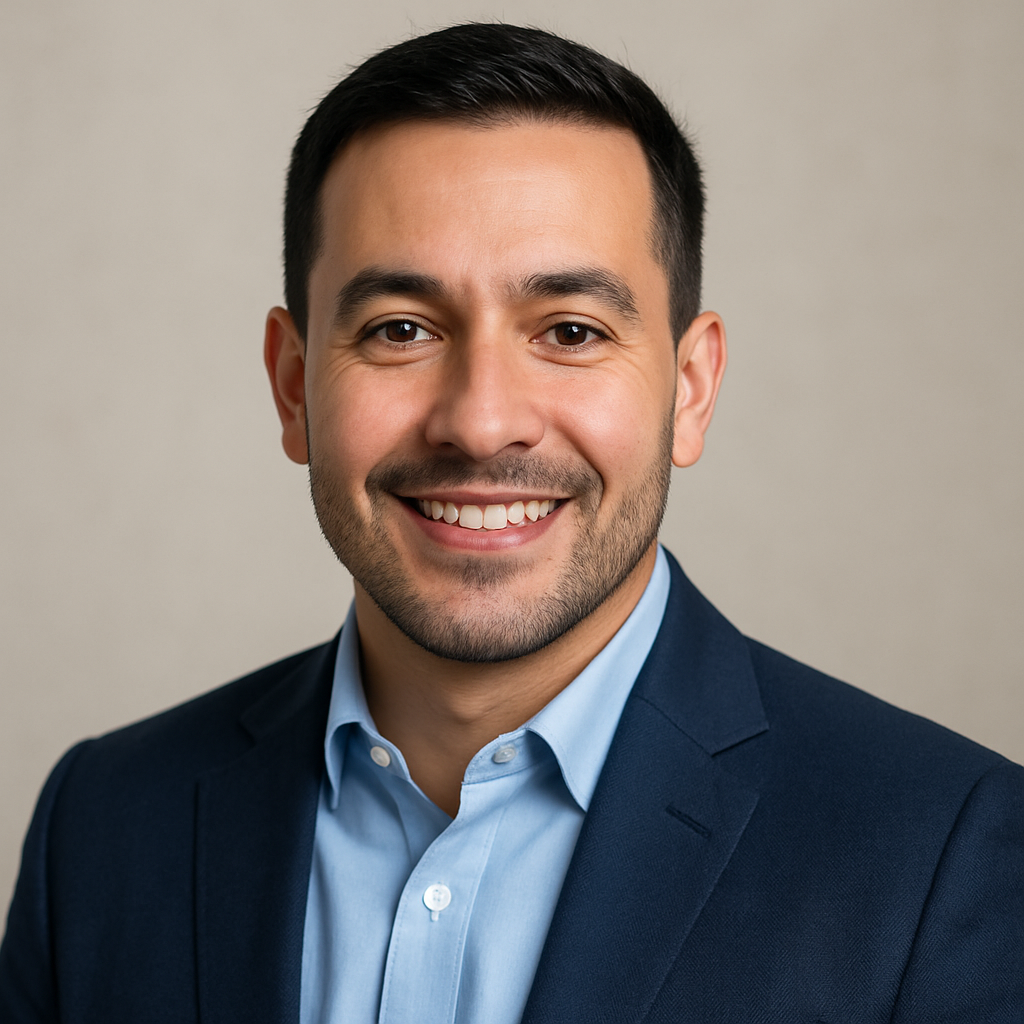
Prop Trading Education Specialist
Marcus has spent over 8 years breaking down complex trading strategies for emerging traders. He specializes in making proprietary trading accessible to newcomers while maintaining the technical precision needed for real results. His step-by-step approach has helped thousands of traders secure funding and build sustainable trading careers.
13 min read

