Last updated

industry estimates suggest over 80% of funded traders lose their accounts within the first three months. That's not because they can't spot winning trades — it's because they ignore the one skill that separates pros from amateurs: risk management.
You've probably blown an account before. Maybe you risked too much on a "sure thing" trade. Maybe you let emotions drive your position sizing. Maybe you thought the rules didn't apply to you.
Here's the truth: funded account risk management isn't about playing it safe. It's about playing it smart so you can keep the capital flowing and scale your payouts over time.
Funded account risk management is the systematic approach to protecting your trading capital while maximizing profit potential within the strict rules set by prop firms. It's your survival guide for keeping funded capital long-term.
Unlike trading your own money, funded accounts come with non-negotiable rules. Break them, and you're out. Period. No second chances, no appeals, no "but I was up 20% last month."
The stakes are different here. When you're trading a $100K funded account, you're not just managing risk — you're managing your entire trading career. One bad week can wipe out months of progress.
Risk management becomes your insurance policy. It keeps you in the game when markets turn volatile. It protects you from the emotional trades that kill accounts. Most importantly, it helps you build consistent results that prop firms want to see.
successful funded traders treat risk management like a religion. They never deviate from their rules, even when they're confident about a trade.
Sign up and choose your ideal pro sign up to FundedX now for an Instant account.
The 1% rule dominates Funded Trading for good reason. Risk no more than 1% of your account balance per trade, and you can survive 100 consecutive losses before going bust.
Do the math on a $50K account. One percent equals $500 maximum risk per trade. That might feel conservative, but it's what keeps traders funded while others blow up.
Daily drawdown limits are your emergency brake. Most prop firms set this around 5% of your account value. Hit that limit, and your trading day is over — no exceptions.
Maximum drawdown rules protect the firm's capital. This is typically 8-10% of your starting balance. Breach this threshold, and your account gets terminated permanently.
Position sizing becomes critical under these constraints. You need a system that automatically calculates your trade size based on your stop loss distance and risk percentage.
Here's the formula: Risk Amount ÷ (Entry Price - Stop Loss Price) = Position Size. Use this for every single trade.
Fixed fractional position sizing keeps you consistent. You risk the same percentage on every trade, regardless of your confidence level.
This removes emotion from the equation. You can't "just this once" risk 3% on a trade because it looks perfect. The system forces discipline.
| Account Size | 1% Risk | Max Position (10:1 RR) |
|---|---|---|
| $10,000 | $100 | 1,000 units |
| $25,000 | $250 | 2,500 units |
| $50,000 | $500 | 5,000 units |
| $100,000 | $1,000 | 10,000 units |
Kelly Criterion offers a more aggressive approach for experienced traders. It calculates optimal position size based on your win rate and average win/loss ratio.
The formula: f = (bp - q) / b, where f is the fraction to risk, b is the odds received, p is the probability of winning, and q is the probability of losing.
Most funded traders stick with fixed fractional sizing. It's simpler, more predictable, and easier to implement consistently.
Anti-martingale systems increase position size after winners, not losers. This capitalizes on hot streaks while protecting capital during drawdowns.
Your stop loss distance determines your position size, not the other way around. This fundamental concept separates professional traders from gamblers.
Set stops based on technical levels — support, resistance, moving averages, or chart patterns. Random percentage stops rarely work in real markets.
Risk-to-reward ratios of 1:2 minimum give you breathing room. Even with a 40% win rate, you'll be profitable long-term with proper 1:2 ratios.
Many successful funded traders target 1:3 ratios. This means if you risk $100, you aim to make $300. The math works in your favor over time.
Trailing stops can lock in profits on winning trades. Start trailing when you hit 1:1 risk-to-reward, then tighten as the trade moves further in your favor.
Partial profit taking reduces overall risk. Take 50% profit at 1:1, move your stop to breakeven, then let the remainder run to your full target.
Time-based stops matter too. If a trade hasn't moved in your favor within your expected timeframe, consider closing it and moving on.
trading someone else's money changes everything. The psychological pressure intensifies because you know one mistake could cost you the opportunity.
Fear of loss often leads to micro-management. You'll be tempted to close winning trades too early or move stops closer than your system dictates.
Overconfidence kills more funded accounts than fear does. A few winning trades and suddenly you think you can risk 2% instead of 1%. This thinking destroys careers.
According to prop trading research, 73% of funded account failures stem from psychological errors rather than poor market analysis.
Revenge trading happens when you try to make back losses quickly. You increase position sizes or take low-probability trades to "get even." This behavior gets accounts terminated fast.
FOMO (fear of missing out) drives impulsive trades outside your system. You see other traders posting big wins and abandon your disciplined approach.
The solution is mechanical trading rules you follow regardless of emotions. Write down your system, print it out, and refer to it before every trade.
Position correlation destroys diversification faster than anything else. Opening multiple EUR/USD positions doesn't spread risk — it concentrates it.
Many traders open positions in correlated pairs like EUR/USD, GBP/USD, and AUD/USD simultaneously. When the dollar moves, all three positions move together.
Overleverage seems attractive when trades go your way. But leverage amplifies losses just as much as profits. Stick to your calculated position sizes.
Ignoring economic news and events leads to unexpected volatility spikes. Major announcements can gap through your stops, creating losses larger than planned.
Moving stops against you is account suicide. Your stop loss is there for a reason. Honor it, or lose your funding.
Weekend holding exposes you to gap risk. Many prop firms prohibit holding positions over weekends for this exact reason.
| Mistake | Impact | Solution |
|---|---|---|
| Correlated positions | Concentrated risk | Diversify across asset classes |
| Moving stops | Unlimited losses | Set and forget stops |
| Weekend holding | Gap risk | Close before Friday close |
| Ignoring news | Unexpected volatility | Check economic calendar |
Emotional trading decisions override systematic approaches. You feel confident about a setup and risk 3% instead of your usual 1%. That's how accounts die.
Portfolio heat management tracks your total risk exposure across all open positions. Even with 1% risk per trade, five simultaneous trades equals 5% portfolio risk.
Based on typical risk management practices, professional traders rarely exceed 3-4% total portfolio heat. This prevents catastrophic losses when multiple positions move against you simultaneously.
Volatility-adjusted position sizing accounts for market conditions. During high volatility periods, reduce position sizes. During calm markets, you can trade normal sizes.
The VIX (volatility index) serves as a guide for forex traders. When VIX spikes above 30, consider reducing risk per trade to 0.5% instead of 1%.
Time-based risk limits prevent overtrading. Set maximum trades per day and stick to it. Many profitable setups turn into losses through overtrading.
Drawdown rules beyond Prop Firm requirements protect your psychology. If you lose 3% in a week, take a break. Come back fresh the following week.
Position size calculators eliminate manual calculations and human error. Input your account size, risk percentage, and stop distance — the calculator does the rest.
MetaTrader's built-in tools include position sizing experts and risk management indicators. These automate much of the calculation process.
Trading journals track your risk metrics over time. You need data on win rate, average win/loss, maximum drawdown, and risk-adjusted returns.
Edgewonk and TradeBench offer advanced analytics specifically designed for prop traders. They highlight patterns in your risk-taking behavior.
automated risk management scripts can close positions when daily loss limits are reached. This removes emotion from critical decisions.
Risk management software like MyFXBook provides real-time portfolio analysis and risk warnings before you enter trades.
Your risk framework starts with clearly defined rules that cover every trading scenario. Write these down and review them weekly.
Maximum risk per trade should never exceed 1% of account balance. This is non-negotiable for funded account survival.
Daily loss limits protect you from bad trading days. Set this at 2-3% of your account and stop trading when reached.
Weekly loss limits prevent downward spirals. Many traders set this at 5% and take weekends off to reset mentally.
Maximum number of open positions prevents overexposure. Three to five simultaneous trades is typically the upper limit for most strategies.
Asset class diversification requirements ensure you're not concentrated in one market. Spread risk across forex, indices, and commodities if allowed.
Regular framework reviews help you adapt to changing market conditions. Update your rules monthly based on performance data.
Risk no more than 1% of your account balance per trade. This allows you to survive extended losing streaks while maintaining consistent position sizing. Many professional traders risk even less — 0.5% to 0.75% per trade for additional safety.
Use this formula: Risk Amount ÷ (Entry Price - Stop Loss Price) = Position Size. For example, with a $50K account, 1% risk ($500), EUR/USD entry at 1.1000, and stop at 1.0950, your position size would be $500 ÷ 0.0050 = 100,000 units or 1 standard lot.
Your trading day ends immediately when you hit the daily drawdown limit (typically 5% of account value). Most prop firms will automatically prevent you from opening new positions. Violating this rule can result in account termination.
Trailing stops can be effective for locking in profits, but use them carefully. Start trailing when you reach 1:1 risk-to-reward ratio, then gradually tighten as the trade moves in your favor. Avoid trailing too aggressively, which can cut winning trades short.
Quality over quantity is key. Most successful funded traders take 1-3 high-probability trades per day rather than overtrading. Set a maximum daily trade limit and stick to it to prevent emotional decision-making and overexposure.
Moving stop losses against them is the most common fatal error. Your stop loss is your insurance policy — honor it every time. The second biggest mistake is position correlation, where traders open multiple positions that move together, concentrating rather than spreading risk.
Risk management isn't sexy. It won't make you feel like a trading genius when you're limiting your position sizes and walking away from "sure thing" trades.
But it's what separates the 20% of funded traders who succeed from the 80% who flame out in their first quarter.
Your edge isn't just in finding profitable setups — it's in surviving long enough to compound those profits. Risk management gives you that survival advantage.
Master these principles, build your personal framework, and stick to it religiously. That's how you turn a funded account into a long-term trading career.
Sign up and choose your ideal pro sign up to FundedX now for an Instant account.
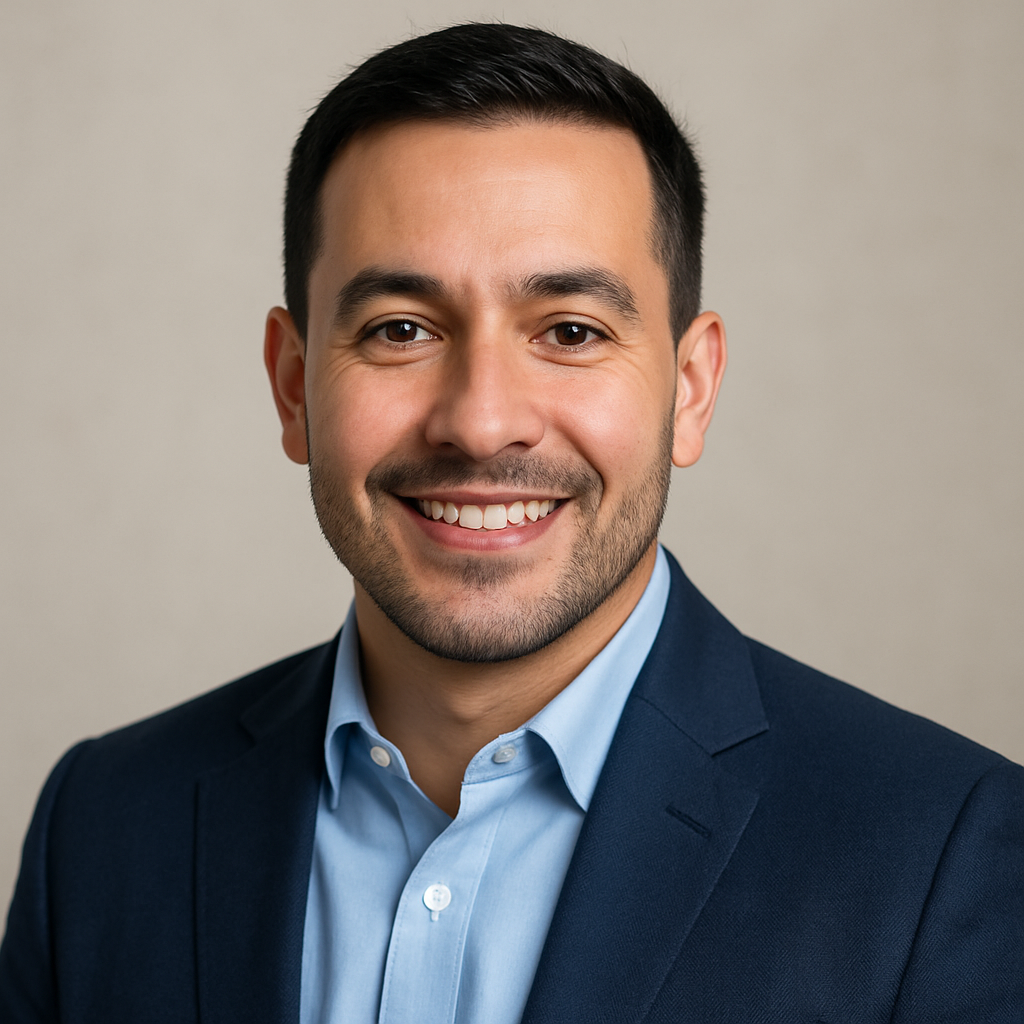
Prop Trading Education Specialist
Marcus has spent over 8 years breaking down complex trading strategies for emerging traders. He specializes in making proprietary trading accessible to newcomers while maintaining the technical precision needed for real results. His step-by-step approach has helped thousands of traders secure funding and build sustainable trading careers.

