Prop trading firms give traders access to capital without risking their own money. These companies provide funding to skilled traders who can prove their abilities through evaluation challenges. You trade with their money and split the profits.
The prop trading industry exploded in 2026. More firms entered the market. Competition increased. Better terms emerged for traders.
Here's how it works: You pay a fee to take a trading challenge. Pass the test, and you get a funded account. Make profits, and you keep 80-90% of what you earn. The firm takes the rest as their cut.
This model solves a huge problem. Most talented traders lack the capital to make serious money. A $1,000 account might generate $50 per month in profits. But a $100,000 funded account could produce $5,000 monthly with the same percentage returns.
The best prop firms in 2026 offer instant funding, high profit splits, and flexible rules. They support traders with proper risk management tools and reliable payouts.

Sign up and choose your ideal pro sign up to FundedX now p account.
The right prop firm depends on your trading approach, experience level, and goals. Day traders need different features than swing traders. Forex specialists want different markets than stock traders.
Start with these key factors:
Account Size Options: Look for firms offering multiple funding levels. Beginners should start with $10,000-$25,000 accounts. Experienced traders can handle $100,000+ accounts.
Evaluation Rules: Some firms require 8% profits in phase one, 5% in phase two. Others use different targets. Pick rules that match your typical monthly returns.
Daily Drawdown Limits: Most firms allow 3-5% daily losses. Aggressive traders need higher limits. Conservative traders prefer stricter controls.
Market Access: Forex traders need currency pairs. Stock traders want equity access. Multi-asset traders need everything.
Consider the time limits too. Some firms give unlimited time for challenges. Others impose strict deadlines. Rushed traders often make costly mistakes under pressure.
The evaluation process varies significantly between firms. Research each option carefully before committing your money.
The prop trading space hosts dozens of firms in 2026. Quality varies dramatically. Some deliver consistent payouts and fair treatment. Others create unnecessary obstacles or unrealistic rules.
| Firm | Max Funding | Profit Split | Evaluation Cost | Best For |
|---|---|---|---|---|
| FundedX | $200,000 | 90% | $299 | All trading styles |
| FTMO | $400,000 | 80% | $345 | Conservative traders |
| The5ers | $1,280,000 | 80% | $345 | Scaling traders |
| MyForexFunds | $300,000 | The market grew approximately 340% compared to previous years as more people discovered this funding method.$199 | Budget-conscious traders |
FundedX leads in 2026 with competitive terms and reliable service. Their 90% profit split beats most competitors. The evaluation process stays fair and transparent.
FTMO remains popular but charges higher fees. Their strict rules filter out many traders. Based on typical industry patterns, success rates hover around 15% for first-time attempts.
The5ers offers the highest funding potential. Their scaling model rewards consistent performers with larger accounts. However, their evaluation process takes longer than others.
MyForexFunds provides budget-friendly entry points. Lower fees attract new traders. Their rules are less restrictive than traditional firms.
"The prop trading industry matured significantly in 2026. Competition forced firms to improve terms and reduce fees." - PropFirmMatch industry report
Regional preferences matter too. US-based traders prefer firms with CFTC oversight. European traders prioritize ESMA-compliant operations.
FundedX emerged as a top choice in 2026 through innovation and trader-focused policies. They offer multiple challenge types and instant funding options.
Their Turbo Challenge stands out with a 7-day duration and 5% profit target. Day traders love this quick evaluation option. The 4% max loss limit and 3% daily drawdown provide reasonable risk boundaries.
Standard challenges have no time limits. Traders can take months to hit their profit targets. This removes pressure and reduces costly mistakes.
FundedX pricing remains competitive across all account sizes:
Their instant funding program eliminates evaluation challenges entirely. You start trading real capital immediately. This appeals to proven traders who want to skip testing phases.
The platform supports MetaTrader, TradeLocker, and SeaTrader. Multiple platform options accommodate different trading styles and preferences.
Most prop firms use two-phase evaluations. Phase one tests your ability to generate profits. Phase two confirms consistency and risk management.
Phase One Requirements: Achieve 8% profits within the given timeframe. Avoid exceeding daily and maximum drawdown limits. Some firms add minimum trading days.
Phase Two Requirements: Generate 5% profits with the same risk rules. This phase usually has no time limit. It focuses on consistency over speed.
FundedX uses the standard 8% and 5% targets across all challenges. Their unlimited duration removes time pressure from standard evaluations.
The evaluation period challenges your discipline more than your strategy. Profitable traders often fail due to impatience or overconfidence.

Common failure points include:
Successful candidates typically take 4-8 weeks per phase. Rushing leads to mistakes. Patient traders show better long-term performance.
Some firms offer one-phase evaluations with higher profit targets. These appeal to experienced traders who want faster qualification.
Profit sharing varies significantly between firms. The split determines how much you keep from successful trades. Higher splits mean more money in your pocket.
Industry standards in 2026 range from 75% to 90% for traders. The best firms offer 85-90% splits. Lower-tier firms rarely exceed 80%.
FundedX provides a 90% profit split, matching the industry's highest rates. This means you keep $900 from every $1,000 in profits.
| Firm | Starting Split | Maximum Split | Payout Frequency | Minimum Payout |
|---|---|---|---|---|
| FundedX | 90% | 90% | Bi-weekly | $100 |
| FTMO | 80% | 90% | Bi-weekly | $100 |
| The5ers | 80% | 80% | Bi-weekly | $100 |
| MyForexFunds | 85% | 85% | Daily | $50 |
Payout frequency affects your cash flow. Daily payouts provide immediate access to profits. Bi-weekly schedules offer more stability but slower access.
FundedX allows withdrawals every 14 days after reaching minimum thresholds. Their system processes payments within 24-48 hours.
Some firms increase profit splits based on performance. FTMO starts at 80% but increases to 90% for consistent traders. This reward system encourages long-term relationships.
The market grew approximately 340% compared to previous years as more people discovered this funding method.Every prop firm enforces strict risk management rules. These protect their capital and ensure sustainable trading practices. Understanding these limits prevents account violations.
Daily Drawdown: The maximum loss allowed in a single trading day. Most firms set this at 3-5% of account balance. Some calculate from starting equity, others from highest point reached.
Maximum Drawdown: The total loss limit from the account's highest point. Typical limits range from 6-10%. This rule prevents catastrophic losses.
FundedX uses a 3% daily drawdown limit and 4% maximum drawdown for Turbo Challenges. Standard challenges may have different parameters.
The calculation method matters significantly. Equity-based calculations include floating losses from open positions. Balance-based calculations only count closed trades.
Position sizing becomes critical with these constraints. Based on typical risk management practices, a 2% risk per trade allows for multiple losing trades before hitting daily limits. Aggressive 5-10% position sizes create immediate violation risks.
Trading restrictions also affect risk management:
Some firms prohibit specific strategies like martingale systems or grid trading. These techniques can quickly violate drawdown rules during adverse market conditions.

Platform choice affects your trading experience significantly. The best prop firms offer multiple options to accommodate different preferences and strategies.
MetaTrader 4 and 5 remain the most popular choices. These platforms provide comprehensive charting, automated trading capabilities, and extensive indicator libraries.
FundedX supports MetaTrader, TradeLocker, and SeaTrader platforms. This variety ensures compatibility with most trading styles and automated systems.
TradeLocker appeals to web-based traders who prefer browser access. Its modern interface and cloud-based architecture provide flexibility without software installation.
SeaTrader focuses on institutional-grade execution and advanced order management. Professional traders appreciate its sophisticated risk controls and position management tools.
Platform features to evaluate:
Execution quality varies between platforms and firms. Some use A-Book execution with direct market access. Others employ B-Book models that may create conflicts of interest.
The best firms provide transparent execution data. They share average spreads, execution speeds, and slippage statistics. This information helps you evaluate true trading costs.
Mobile trading capabilities matter for active traders. Strong mobile apps allow position monitoring and management from anywhere. Weak mobile platforms can lead to missed opportunities or uncontrolled losses.
Prop firm success rates reveal the difficulty of earning funded accounts. Industry estimates suggest averages range from 10-25% for first-time attempts. These numbers reflect the challenge's legitimate difficulty.
Low success rates don't indicate unfair rules. They demonstrate that consistent profitable trading requires skill, discipline, and proper risk management.
Factors affecting success rates:
New traders often fail due to overconfidence. A few profitable months don't guarantee evaluation success. Market conditions change. Strategies stop working. Psychology affects performance under pressure.
Experienced traders show higher success rates, typically 25-40%. Their track records demonstrate consistent profitability across various market conditions.
"We see a direct correlation between demo trading practice and evaluation success. Based on typical trader preparation, those who spend 3-6 months preparing have 60% higher pass rates." - FundedX Training Director
Preparation significantly improves outcomes. Practice on demo accounts. Study market behavior. Test your strategy across different timeframes and conditions.
Multiple attempts are common and acceptable. Most successful traders need 2-4 evaluation attempts before passing. Each failure provides valuable learning opportunities.
The key is treating failures as education rather than setbacks. Analyze what went wrong. Adjust your approach. Return with improved skills and discipline.
Account violations destroy trading careers and waste evaluation fees. Understanding common mistakes helps you avoid costly errors.
Overtrading During Evaluations: Pressure to hit profit targets quickly leads to excessive trading. This increases risk and often triggers drawdown violations.
Ignoring News Events: High-impact economic releases create sudden volatility. Unprepared traders get caught in rapid price movements that exceed daily loss limits.
Poor Position Sizing: Risking too much per trade creates violation risks. A few losing trades in a row can quickly exceed maximum drawdown limits.
Weekend Holdings: Many firms prohibit holding positions over weekends. Gap openings on Monday can immediately violate account rules.
Emotional trading causes most violations. Fear and greed override rational decision-making. Winning streaks create overconfidence. Losing streaks trigger desperate recovery attempts.
Technical violations also occur frequently:
Read all rules carefully before starting evaluations. Different firms have different restrictions. What's allowed at one firm might violate another's rules.
Platform errors can also cause violations. Internet disconnections might prevent proper stop-loss execution. Software glitches could trigger unintended orders.
Maintain stable trading conditions. Use reliable internet connections. Keep backup plans for technical emergencies. Contact support immediately if platform issues arise.
Starting your prop trading journey requires careful planning and realistic expectations. Success depends more on preparation than natural talent.
Step 1: Assess Your Trading Skills
Evaluate your current profitability on personal accounts. Track performance for at least 3-6 months. Calculate average monthly returns and maximum drawdowns.
Step 2: Choose Your Market Focus
Specialize in specific markets rather than trading everything. Forex, stocks, crypto, and commodities each require different approaches and expertise.
Step 3: Research Suitable Firms
Compare rules, fees, and profit splits across multiple options. provides detailed selection criteria.
Step 4: Practice on Demo Accounts
Test your strategy under evaluation conditions. Use the same position sizes and risk management rules you'll apply during real challenges.
Step 5: Start with Smaller Accounts
Begin with $10,000-$25,000 accounts even if you can afford larger ones. Master the process before scaling up.
Budget for multiple attempts. Most traders need 2-3 evaluation cycles before succeeding. Plan finances accordingly to avoid pressure during challenges.
Document your trading process thoroughly. Keep detailed records of entries, exits, and market conditions. This data helps you identify patterns and improve performance.
Consider starting with FundedX's evaluation programs. Their transparent rules and competitive terms provide an excellent introduction to prop trading.
Connect with other prop traders through forums and social media groups. Experienced traders share valuable insights about specific firms and strategies.
The prop trading industry continues evolving rapidly in 2026. Technology improvements, regulatory changes, and market competition drive constant innovation.
Artificial intelligence integration becomes more common. Firms use AI for risk management, performance analysis, and trader evaluation. Some platforms now offer AI-powered trading assistance.
Instant funding programs expand across the industry. More firms eliminate evaluation phases for experienced traders. This trend reduces barriers for proven professionals.
Competition increases among prop firms. New entrants offer better terms to attract traders. Established firms improve profit splits and reduce fees to maintain market position.
Regulatory oversight grows in major markets. Government agencies develop specific rules for prop trading operations. This increased scrutiny improves industry standards but may limit some offerings.
Mobile trading capabilities advance significantly. Next-generation apps provide full desktop functionality on smartphones. Remote trading becomes more practical and reliable.
The industry attracts more institutional attention. Investment banks and hedge funds explore prop trading partnerships. This legitimacy boost attracts higher-quality participants.
Market access expands beyond traditional instruments. Cryptocurrency trading becomes standard across most firms. Alternative investments like commodities and bonds gain prominence.
Training and education programs improve dramatically. Firms invest heavily in trader development to improve success rates. Better education reduces evaluation failures and increases long-term profitability.
"By 2027, we expect the prop trading industry to double in size. Technology improvements and better education will drive this growth." - Industry Research Group
This evolution creates opportunities for prepared traders. Those who develop strong fundamentals now will benefit from industry growth and improved tools.
Industry estimates suggest most prop firms require $100-$500 for evaluation fees. FundedX offers challenges starting at $69 for a $5K account. You don't need personal trading capital beyond the evaluation fee.
The evaluation process typically takes 4-12 weeks depending on your trading frequency and the firm's rules. FundedX provides funded accounts within 24 hours after passing evaluations.
Yes, most prop firms allow part-time trading. Many successful traders maintain regular jobs while trading prop accounts during specific market sessions or after work hours.
Failed evaluations forfeit the entry fee, but you can retake the challenge. Most traders need 2-3 attempts before succeeding. Some firms offer discounted retry fees for previous participants.
Reputable firms like FundedX, FTMO, and The5ers have established payout track records. Research firm reviews and community feedback before choosing. Avoid firms with consistent payout complaints.
Many firms allow Expert Advisors and automated trading, but rules vary significantly. Some restrict specific strategies like martingale or grid systems. Always verify automation policies before starting evaluations.
Sign up and choose your ideal pro sign up to FundedX now p account.
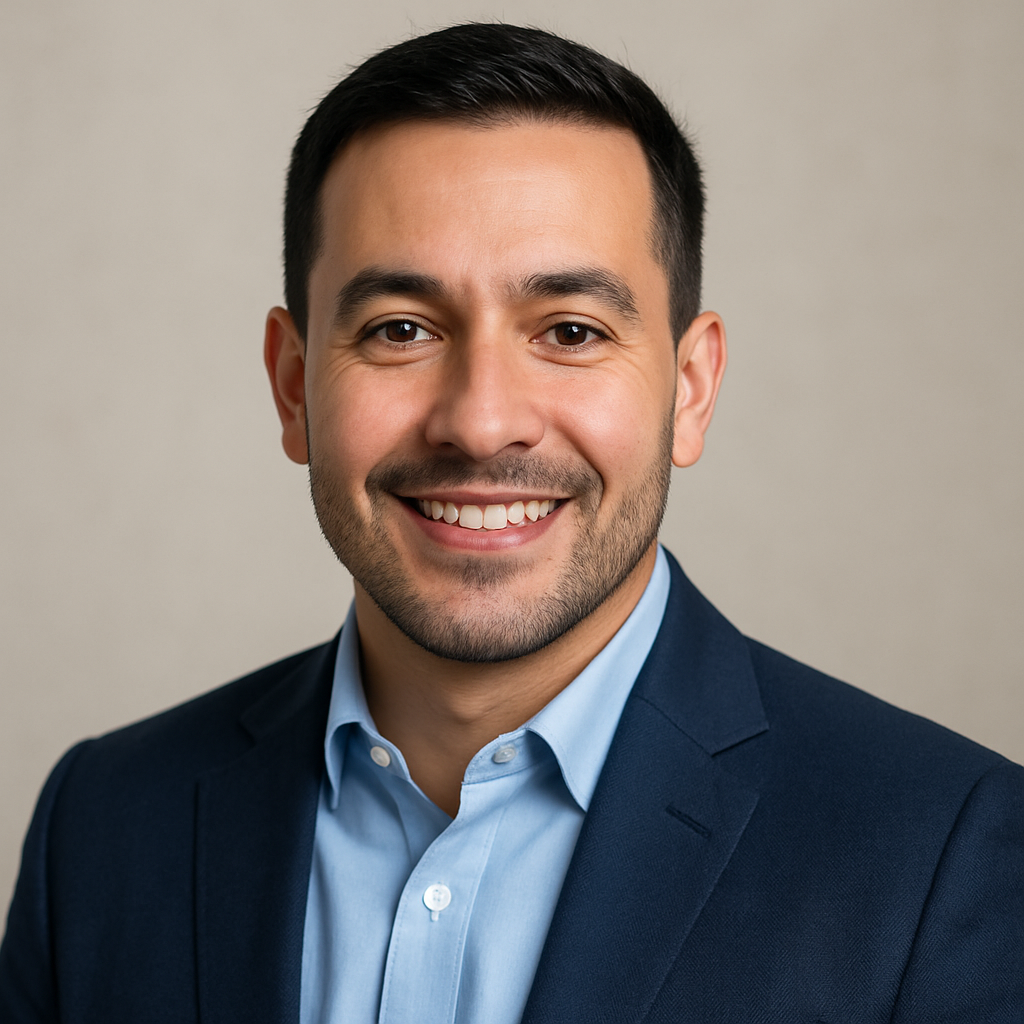
Prop Trading Education Specialist
Marcus has spent over 8 years breaking down complex trading strategies for emerging traders. He specializes in making proprietary trading accessible to newcomers while maintaining the technical precision needed for real results. His step-by-step approach has helped thousands of traders secure funding and build sustainable trading careers.
10 min read

