Last updated
Here's a harsh truth: Based on typical industry observations, approximately 85% of traders fail their first prop firm challenge attempt. The ones who pass all follow the same proven blueprint.
You're about to learn the exact strategies that separate winners from losers. These aren't theory-based tips. They're battle-tested methods from traders who've secured funding worth hundreds of thousands.

Most traders approach challenges backwards. They focus on making money fast. The winners focus on not losing money slowly. This shift in thinking changes everything.
The strategies in this guide work for any prop firm in 2026. Whether you're tackling FTMO, FundedX, or smaller firms — these principles apply universally.
Sign up and choose your ideal pro sign up to FundedX now for an Instant account.
Risk management is the foundation of prop firm success. Without it, even the best trading strategy fails.
The 1% rule forms the cornerstone of sustainable trading. Never risk more than 1% of your account balance on any single trade. This keeps you in the game when trades go wrong.
But here's what nobody talks about — the 1% rule alone isn't enough. You need additional layers of protection:
Top-performing prop traders follow these rules religiously. They treat them as non-negotiable boundaries, not suggestions.
Research from leading prop firms shows that traders who implement strict daily loss limits are 3x more likely to pass their challenges compared to those who don't.
The psychological aspect matters too. When you hit a loss limit, your brain isn't thinking clearly. Taking a break prevents emotional decisions that destroy accounts.
Smart traders also use position correlation limits. Don't put all your capital into correlated trades. If you're long EUR/USD, avoid going long GBP/USD at the same time. Correlation kills accounts faster than single bad trades.
Breaking down profit targets into manageable daily goals makes challenges feel less overwhelming. This approach creates consistent progress without taking excessive risks.
For a standard 8% profit target over 30 days, you need roughly 0.27% daily returns. That's achievable with 2-3 well-planned trades. Industry estimates suggest most traders try to hit 1-2% daily and burn out within a week.
| Challenge Size | Profit Target | Daily Target | Weekly Target |
|---|---|---|---|
| $10,000 | $800 | $27 | $187 |
| $25,000 | $2,000 | $67 | $467 |
| $50,000 | $4,000 | $133 | $933 |
| $100,000 | $8,000 | $267 | $1,867 |
Track your progress weekly, not daily. Daily fluctuations create unnecessary stress. Focus on the weekly trend line moving upward.
Here's a proven weekly schedule that works:
Monday-Tuesday: Take 60% of your weekly target. These days typically offer the best setups after weekend analysis.
Wednesday-Thursday: Aim for the remaining 40%. Mid-week often provides solid follow-through moves.
Friday: Only trade if you're behind target AND see high-probability setups. Never force trades to meet arbitrary goals.
The compound effect works in your favor with this approach. Small daily wins build momentum and confidence. Large swing attempts usually lead to large losses.
Some prop firms allow unlimited time for challenges. Use this to your advantage. There's no rush to complete in 30 days if you can take 45-60 days with lower daily risk.
Drawdown kills more prop firm challenges than any other factor. Understanding both daily and maximum drawdown rules saves your account.
Daily drawdown resets each day at midnight (broker time). Maximum drawdown follows you throughout the entire challenge. These work differently, and many traders don't grasp the distinction.

Daily drawdown is simpler to manage. If your daily limit is 5%, you can lose $500 on a $10,000 account each day. The counter resets overnight.
Maximum drawdown is trickier. It tracks your worst point from the starting balance OR highest point reached. This number never resets during the challenge.
Here's how actually work in practice:
Example scenario: You start with $10,000. You make $500 (balance: $10,500). Then you lose $800 (balance: $9,700). Your drawdown is calculated from the high of $10,500, not the starting $10,000. So your drawdown is $800, not $300.
Smart traders use a "drawdown buffer" strategy. They stop trading when they reach 50-60% of their maximum drawdown limit. This provides cushion for unexpected losses.
The trailing drawdown concept trips up many traders. As your account grows, your maximum allowed loss stays fixed to your highest balance. This creates a moving target that requires constant attention.
Professional traders use "drawdown ladders" — predetermined stopping points at 25%, 50%, and 75% of their limit. Each level triggers reduced position sizes and more selective trade entry.
Position sizing determines your success more than entry and exit timing. Get this wrong, and even winning trades become account killers.
The Kelly Criterion provides the mathematical foundation for optimal position sizing. But prop firm rules require modifications to this classic formula.
For prop firm challenges, use this simplified position sizing formula:
Position Size = (Risk Amount) ÷ (Stop Loss Distance in Pips)
Let's break this down with real numbers:
This gives you the exact lot size needed. For EUR/USD, $25 per pip equals 2.5 mini lots (0.25 standard lots).
| Account Size | 1% Risk Amount | 20-Pip Stop Loss | Position Size ($/pip) |
|---|---|---|---|
| $10,000 | $100 | 20 pips | $5/pip |
| $25,000 | $250 | 20 pips | $12.50/pip |
| $50,000 | $500 | 20 pips | $25/pip |
| $100,000 | $1,000 | 20 pips | $50/pip |
Advanced traders adjust position sizes based on market volatility. During high-volatility periods, they reduce size even if the math allows larger positions. During low volatility, they might increase size slightly.
The "fixed fractional" method works well for prop firms. Always risk the same percentage, regardless of recent wins or losses. This removes emotional scaling decisions.
Some traders use "anti-martingale" sizing — increasing size after wins, decreasing after losses. This works in trending markets but destroys accounts in choppy conditions. Stick with fixed fractional for prop firm challenges.
Psychology separates funded traders from failed attempts. Technical skills get you in the game. Mental strength keeps you there.
The biggest psychological trap is "challenge urgency." Traders feel pressure to hit targets quickly. This leads to overtrading and revenge trading after losses.
Successful traders develop pre-trade routines that eliminate emotional decisions. Before entering any position, they ask three questions:
If any answer is no, they skip the trade. Industry estimates suggest this simple filter prevents approximately 80% of emotional trading mistakes.
Based on typical patterns observed among successful prop traders, winners take an average of 40% fewer trades than losers, but their win rate is 15% higher and their average winner is 25% larger.
The "cooling off" period after losses is crucial. After any loss exceeding 0.5% of account value, take a 30-minute break minimum. Walk away from screens. This prevents tilt trading.
Winners also track their emotional state before each trade. They rate their confidence from 1-10. Trades taken at confidence levels below 7 typically underperform. Use this as an additional filter.

Visualization techniques help maintain focus during challenges. Spend 5 minutes each morning visualizing successful trade execution. See yourself following rules, taking profits calmly, and accepting losses gracefully.
The comparison trap destroys confidence. Avoid trading forums and social media during challenges. Other traders' results don't matter. Focus solely on your plan execution.
Once you master basic risk management, advanced strategies can accelerate your progress. These techniques require solid foundations first.
The "pyramid building" approach works well for trending markets. Start with a small position. Add to winners at predetermined levels. This maximizes gains while controlling risk.
Here's how to implement pyramiding safely:
Initial position: 0.5% risk (half your normal size)
First add: When trade is 1R profitable, add another 0.3% risk
Second add: When trade is 2R profitable, add final 0.2% risk
This keeps total risk at 1% while maximizing trend following potential. Move stops to breakeven after the first add.
The "market structure" approach focuses on key levels rather than indicators. Identify support, resistance, and trend lines on higher timeframes. Trade only when price reaches these levels.
Session-based trading adapts strategy to market sessions. European session offers the best trending moves. Asian session favors range trading. New York session provides strong breakouts but also false moves.
The "news fade" strategy works during major announcements. When news creates extreme moves beyond typical ranges, fade the move for mean reversion trades. This requires experience but offers excellent risk-reward ratios.
For those following , correlation trading provides another edge. Trade currency pairs that typically move opposite to each other. When one reaches extreme levels, the other often follows in reverse.
Different prop firms use different platforms. Each has unique features that can enhance your trading when used properly.
MetaTrader 4/5 dominates the prop firm space. Key features to master include:
TradeLocker offers advanced charting and risk management tools. Its position sizing calculator eliminates manual calculations. The platform's risk management alerts prevent rule violations before they happen.
cTrader provides superior order execution and built-in risk management. Its "Quick Trade" feature calculates position sizes automatically based on your risk preferences.
Most platforms allow custom templates. Create templates with your preferred timeframes, indicators, and risk levels pre-loaded. This speeds up analysis and ensures consistency.
Mobile trading apps help monitor positions but should rarely be used for entries. Phone screens make precise analysis difficult. Use mobile for position management only.
Economic calendar integration helps avoid high-impact news events. Set alerts for major announcements in currencies you're trading. This prevents unexpected volatility from destroying careful planning.
Learning from others' mistakes saves time and money. These errors destroy more challenges than any market conditions.
Overconfidence after early wins: Many traders start strong, then increase risk after a few profitable days. This leads to account destruction when the inevitable losing streak hits.
Revenge trading after losses: Taking bigger positions to "win back" losses violates every risk management principle. Accept losses as part of trading.
Ignoring correlation: Opening multiple positions in correlated pairs multiplies risk without adding genuine diversification. EUR/USD and GBP/USD often move together.
Weekend gap risk: Holding positions over weekends exposes accounts to gap risk. Most prop firms prohibit this, but some traders ignore the rule.
News trading without experience: Major economic announcements create extreme volatility. Unless you're experienced with news trading, avoid these periods entirely.
Chasing breakouts: False breakouts are common in forex markets. Wait for confirmation before entering breakout trades. This reduces whipsaw losses.
Poor timing: Trading during low-liquidity hours (typically 21:00-02:00 GMT) creates unpredictable price action. Stick to major session overlaps.
The "demo to live" transition shock affects many traders. Demo trading doesn't replicate the emotional pressure of real money. Start with smaller position sizes when transitioning to live challenges.
Record keeping negligence prevents learning from mistakes. Track every trade with entry reason, exit reason, and emotional state. Review weekly to identify patterns.
Success requires a written plan that covers every aspect of your challenge approach. Generic advice doesn't work — you need personalized strategies.
Start with your risk tolerance assessment. Can you handle 1% daily swings without emotional stress? Some traders need 0.5% limits to stay psychologically stable.
Define your trading schedule based on your lifestyle. If you work full-time, focus on major session overlaps (London-New York). If you're available all day, choose the sessions that match your strategy style.
Set up your workspace for consistent execution. Same chair, same screen setup, same routine each day. Consistency in environment supports consistency in results.
Your backup plans matter as much as your main strategy. What happens if your internet fails? Where will you trade if your computer breaks? These contingencies prevent missed opportunities.
| Time Frame | Daily Actions | Weekly Reviews | Monthly Adjustments |
|---|---|---|---|
| Pre-market | Economic calendar check | Strategy performance analysis | Risk parameter evaluation |
| During trading | Position size calculations | Emotional state tracking | Platform tool optimization |
| Post-market | Trade journal updates | Profit/loss pattern identification | Goal progression assessment |
Progress tracking keeps you motivated during difficult periods. Chart your daily balance, but focus on weekly trends. Daily fluctuations mean nothing in the bigger picture.
The milestone celebration system maintains positive psychology. Celebrate reaching 25%, 50%, and 75% of your profit target. These small wins build momentum for the final push.
Your plan should include "circuit breakers" — automatic stops when things go wrong. If you lose more than your weekly limit, take two days off completely. If you hit your monthly target early, consider stopping to preserve gains.
Passing the challenge is just the beginning. The real money comes from scaling your funded account over months and years.
Most funded accounts start with lower profit splits and smaller withdrawal limits. Understanding the scaling path helps you plan for long-term success rather than just challenge completion.
FundedX offers some of the best scaling opportunities in 2026. Their 90% profit split and bi-weekly payouts provide faster cash flow than most competitors. They also offer funding up to $200K for proven traders.
The key to scaling is treating your funded account exactly like the challenge. Don't increase risk just because the money isn't "yours." Prop firms monitor funded accounts closely.
Build your track record systematically. Consistent 2-3% monthly returns impress prop firms more than volatile 10% months followed by losses. Steady performance leads to account size increases.
Document your trading process thoroughly. Successful funded traders often get offers to manage additional capital or move to institutional roles. Your trading journal becomes your professional portfolio.
Multiple account management becomes possible once you master single account trading. Many successful prop traders run 3-5 funded accounts simultaneously, multiplying their earning potential.
The networking aspect of prop trading opens unexpected doors. Online communities of funded traders share opportunities, strategies, and even job referrals. Your challenge success is just the entry ticket.
Risk 0.5-1% per trade for optimal balance of growth and protection. Newer traders should start at 0.5% until they develop consistency. Never exceed 1% per trade regardless of confidence level.
Take 30-45 days minimum even if faster completion is possible. Rushing leads to increased risk and emotional pressure. Quality trades matter more than speed. Most successful traders complete challenges in 45-60 days.
Avoid news trading unless you have extensive experience with high-volatility conditions. News events create unpredictable spikes that can violate drawdown rules instantly. Focus on technical setups during stable market hours instead.
Based on typical prop firm protocols, any drawdown breach, even by $1, typically results in immediate challenge failure. Prop firms use automated systems that don't allow exceptions. Always maintain a safety buffer of at least 1% below your maximum drawdown limit.
This depends on the specific prop firm's rules. Some allow EAs and copy trading while others prohibit them completely. Always check your firm's terms before using any automated trading tools. When in doubt, ask customer support directly.
Quality over quantity always wins. Take 1-3 high-probability trades per day maximum. Overtrading is a major cause of challenge failure. Focus on perfect setups that meet all your criteria rather than forcing trade volume.
You now have the complete blueprint that separates successful prop traders from the 85% who fail. The strategies in this guide aren't theory — they're proven methods from funded traders earning consistent profits.
The difference between knowing these strategies and implementing them comes down to taking action. Reading about risk management won't protect your account. You need to calculate position sizes, set stop losses, and follow rules religiously.
Start with paper trading if you haven't already. Practice these techniques until they become automatic. Your muscle memory needs to handle position sizing calculations instantly during live market conditions.
For those ready to take the next step, provides the complete roadmap from application to funding.
Remember — every funded trader started exactly where you are now. The only difference is they took action instead of just reading about strategies. Your prop firm success story starts with your very next trade.
The opportunity in 2026 has never been better. Prop firms are expanding, technology is improving, and the barriers to entry keep getting lower. But the fundamentals never change: master risk management, stay disciplined, and the funding will follow.
Sign up and choose your ideal pro sign up to FundedX now for an Instant account.
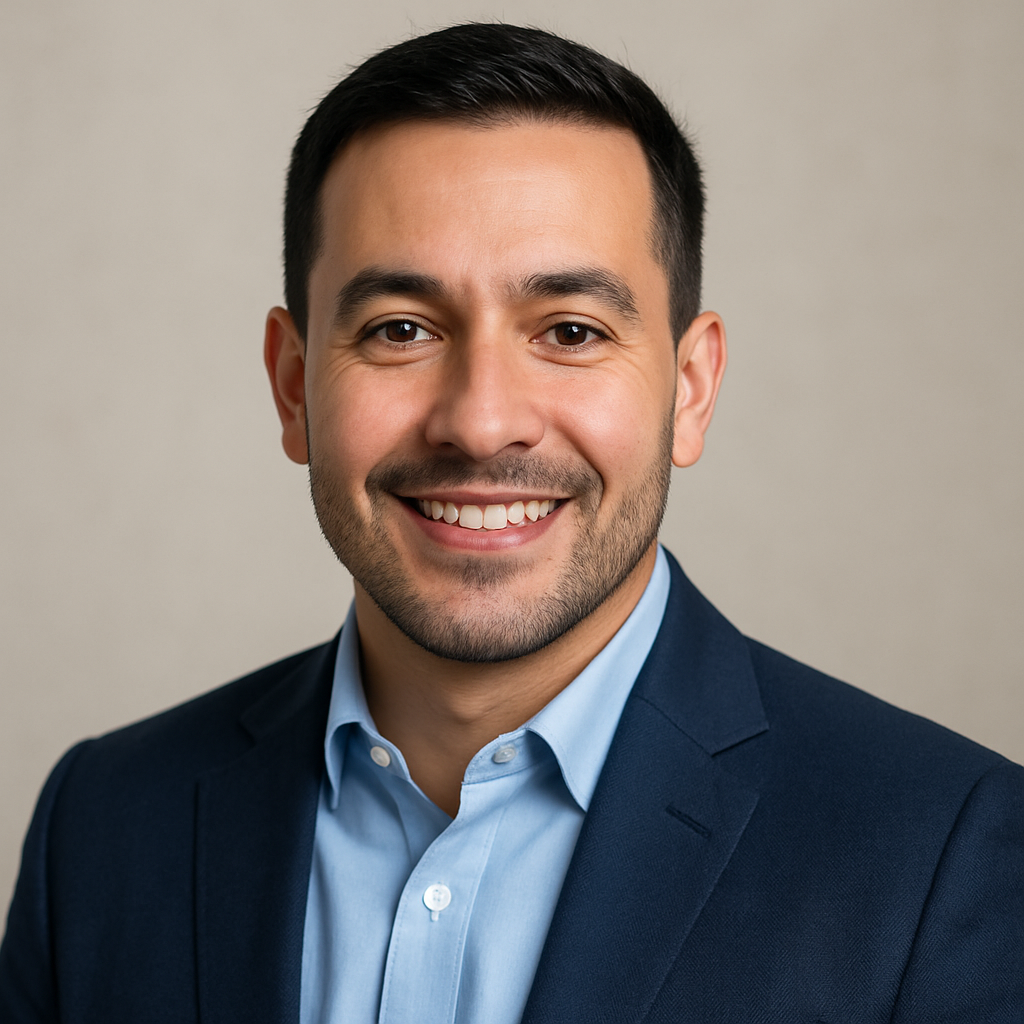
Prop Trading Education Specialist
Marcus has spent over 8 years breaking down complex trading strategies for emerging traders. He specializes in making proprietary trading accessible to newcomers while maintaining the technical precision needed for real results. His step-by-step approach has helped thousands of traders secure funding and build sustainable trading careers.
10 min read

